Permanent Roofing Systems

Six systems.
All built to last.

Every product we install is a permanent roofing system. Our specialty is permanent roofing. If you're considering an upgrade from asphalt, we'd welcome the conversation and the chance to show you what's possible.

A note on manufacturer relationships: Several of our preferred manufacturers are part of the Westlake Royal Building Products family, one of North America's largest roofing product groups. This gives us access to coordinated product systems, consistent quality standards, and strong Colorado distribution networks.

Concrete & Clay Systems

Tile Roofing

Lifespan

75–100+ years

Weight: 6–12 lbs per sq ft depending on profile
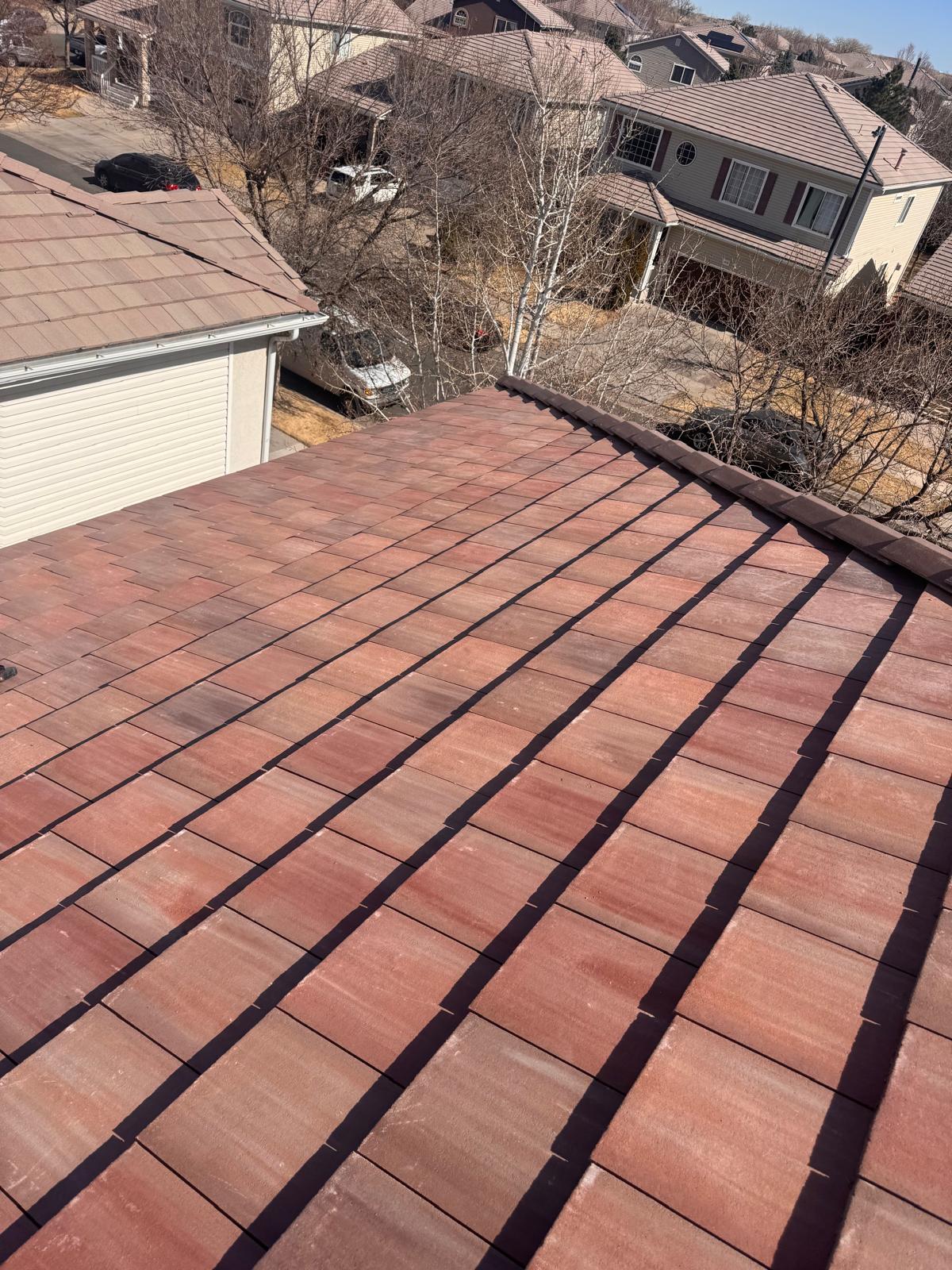
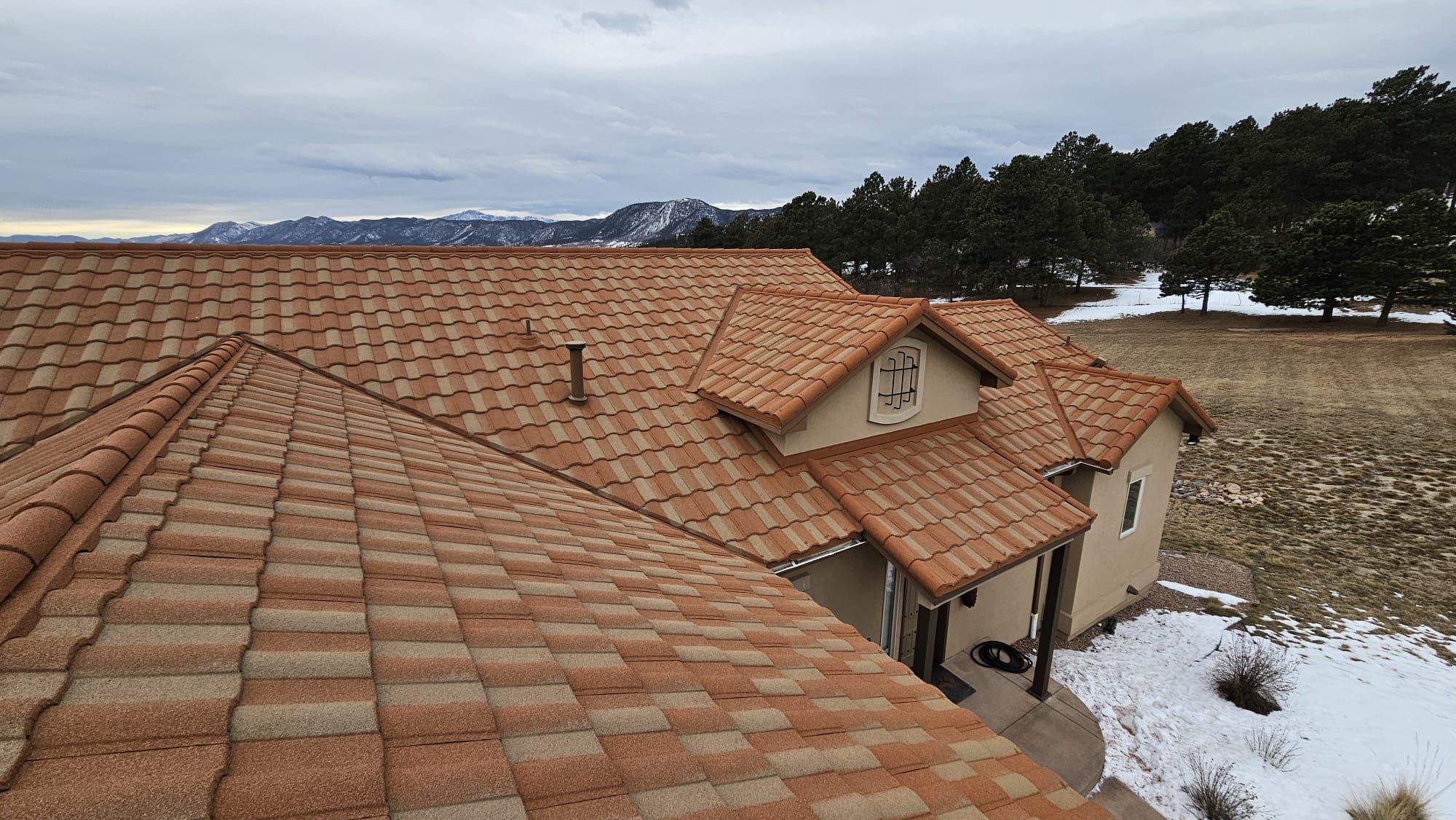
OCR Install · Flat tile · Red blend · Colorado neighborhood

What tile roofing is, and why it outlasts everything else

Concrete and clay tile are among the oldest continuously-used roofing systems in the world. The basic material science hasn't changed because it doesn't need to: fired clay and cast concrete resist UV, moisture, and temperature cycling in ways that no petroleum-based product can match. In Colorado's climate, where altitude amplifies UV exposure, temperature swings can exceed 80°F in a single day, and freeze-thaw cycles attack porous materials through winter, tile's inert composition is a genuine advantage, not a marketing claim.

Colorado-specific performance: what the spec sheet doesn't tell you

Most tile manufacturers publish national performance specs. Colorado installations require a more specific read. At altitude, UV degradation is meaningfully more intense than at sea level. Asphalt oxidizes faster, and elastomeric coatings on metal need more frequent attention. Tile is unaffected. For freeze-thaw performance, the critical spec is ASTM C1167 Cycle D compliance (100 freeze-thaw cycles) for concrete tile, or ASTM C1167 for clay. Minimum 4:12 pitch is strongly recommended at altitude for proper drainage. Weight is the other variable: concrete tile runs 9–12 lbs per square foot, clay 6–9 lbs/sq ft. Most Colorado homes built after 1990 were not engineered for that load. A structural analysis is standard on any tile project we bid.

Why installation is the variable that determines lifespan

Tile doesn't fail. Installation does. The underlayment is the tile roof's actual waterproofing layer; tile provides protection and aesthetics. A tile roof installed over improper underlayment, with the wrong fastener pattern, or without proper hip and ridge detail will leak before the tile ever shows its age. Cutting tile to fit hips, valleys, and penetrations is skilled manual work. Improper cuts create stress fractures that manifest years later. Our crews have installed tile roofs that we expect to outlive every other component of the buildings they're on.

An honest note on longevity: what actually determines the 75–100+ year figure

Tile is dimensionally stable for its rated lifespan. What determines whether you see 75 years or 100+ is everything around the tile: underlayment quality, flashing material (copper and lead-coated copper outperform galvanized), fastener specification, and ongoing inspection frequency. The tile industry's dirty secret is that a re-roof at year 30 often means new underlayment and flashings only. The tile itself is reused, cleaned, and relaid. That's not a failure. That's the system working as designed.
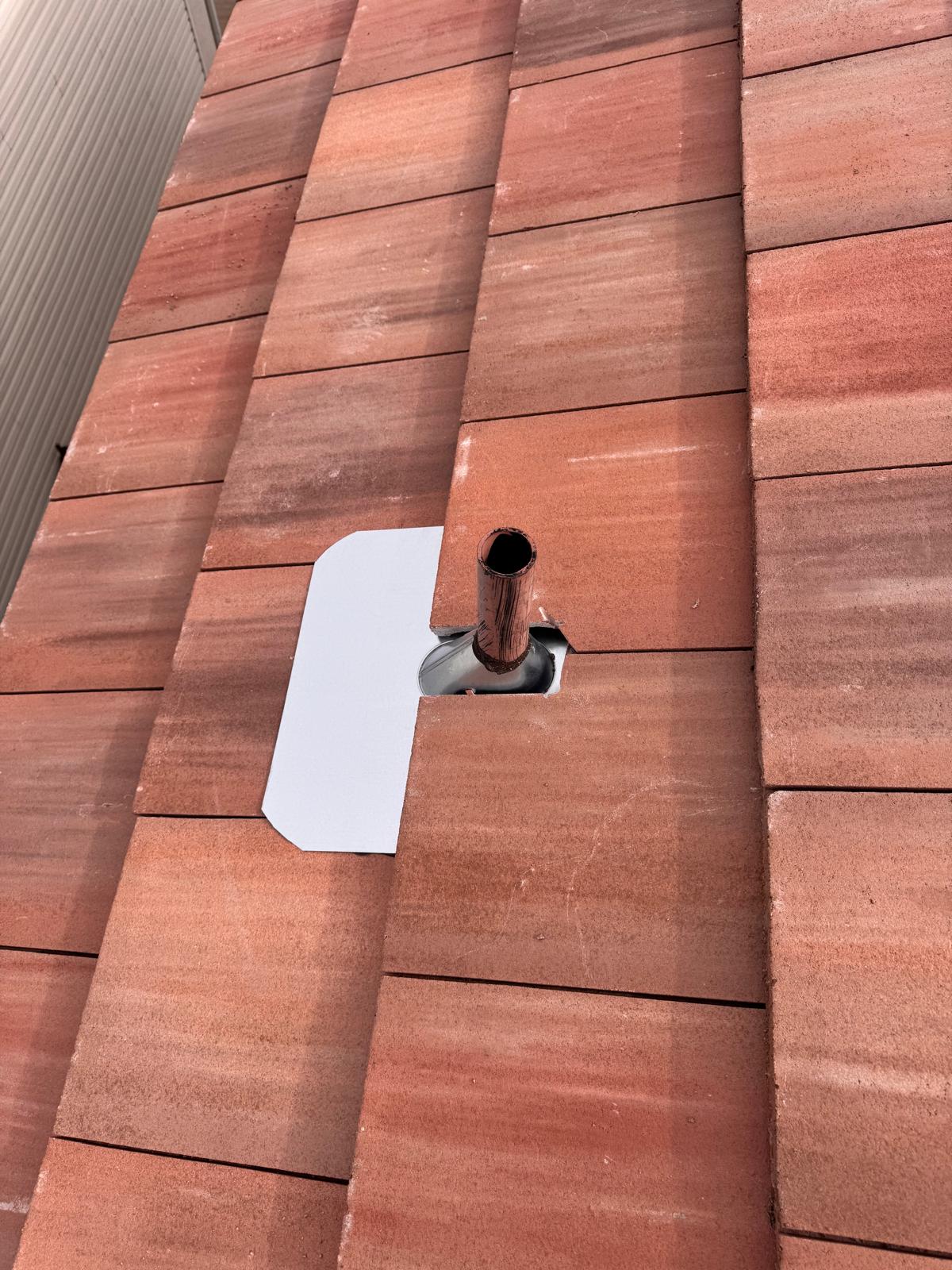
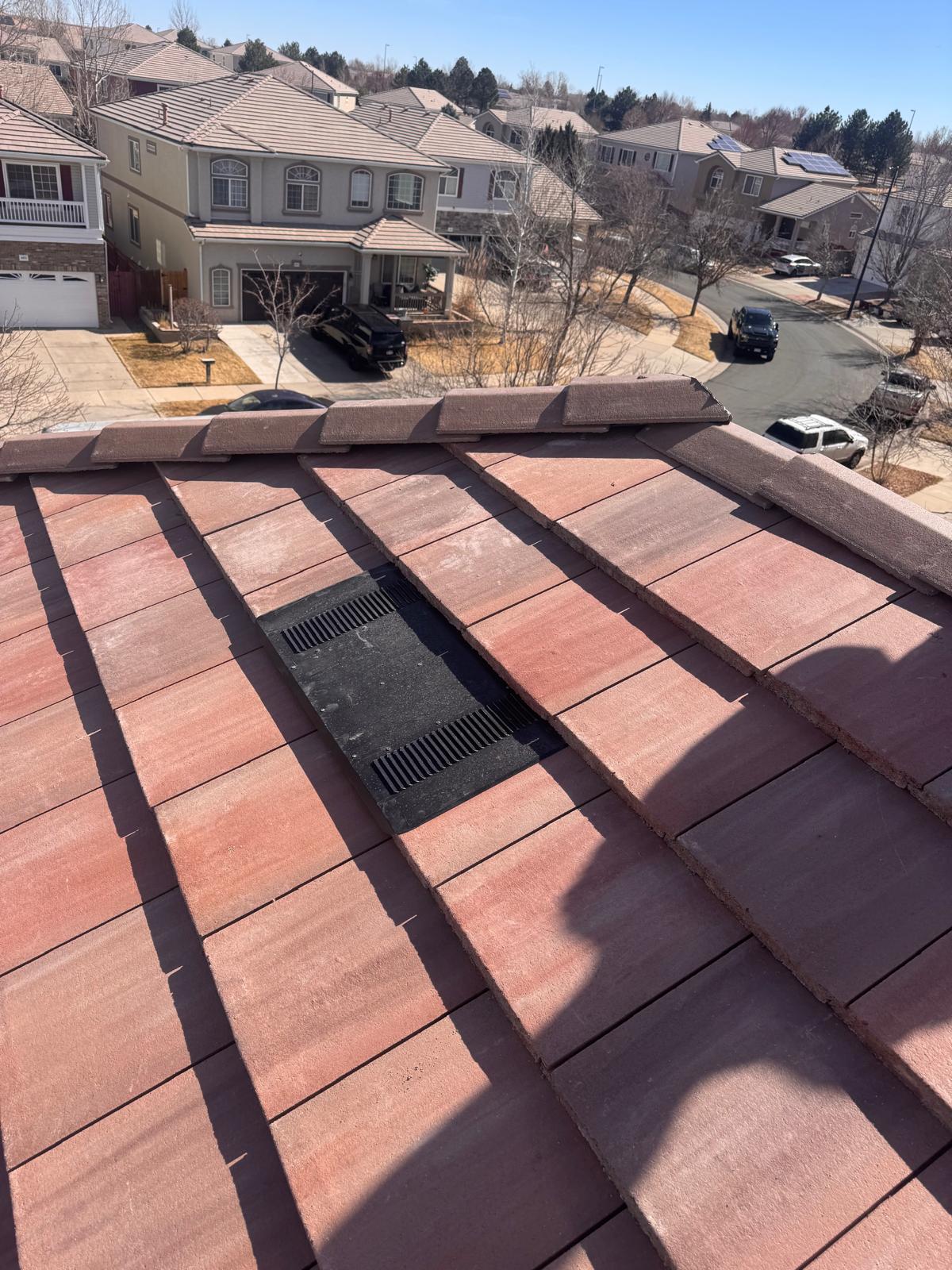
OCR Install · Pipe boot detail · Flat tile penetration
OCR Install · Tile vent integration · Colorado neighborhood

Brands We Work With

Boral / Westlake Royal

Market leader in concrete tile. Broad color and profile selection, Type III freeze-thaw rated lines, widespread Colorado installation base.

Eagle Roofing Products

Class 4 impact-rated HDR line is the strongest concrete tile specification available. Worth the premium in high-hail zones.

Ludowici Clay Tile

American-made clay tile with a 75+ year production track record. S-mission, flat, and barrel profiles. Premium product for premium projects.

BMI / Monier

International manufacturer with strong representation in the western US. Good profile variety at a mid-market price point.

NewPoint Concrete Roof Tile

Westlake Royal's premium concrete tile line. Wide color and profile selection with Type III freeze-thaw rated options engineered for Colorado's climate conditions.

US Tile

American-made clay roofing products with a long domestic production history. Mission, flat, and barrel profiles in fired clay. Worth specifying for projects requiring genuine American-made clay.
Geological Permanence

Natural Slate

Lifespan

100–150+ years

Weight: 7–10 lbs per sq ft

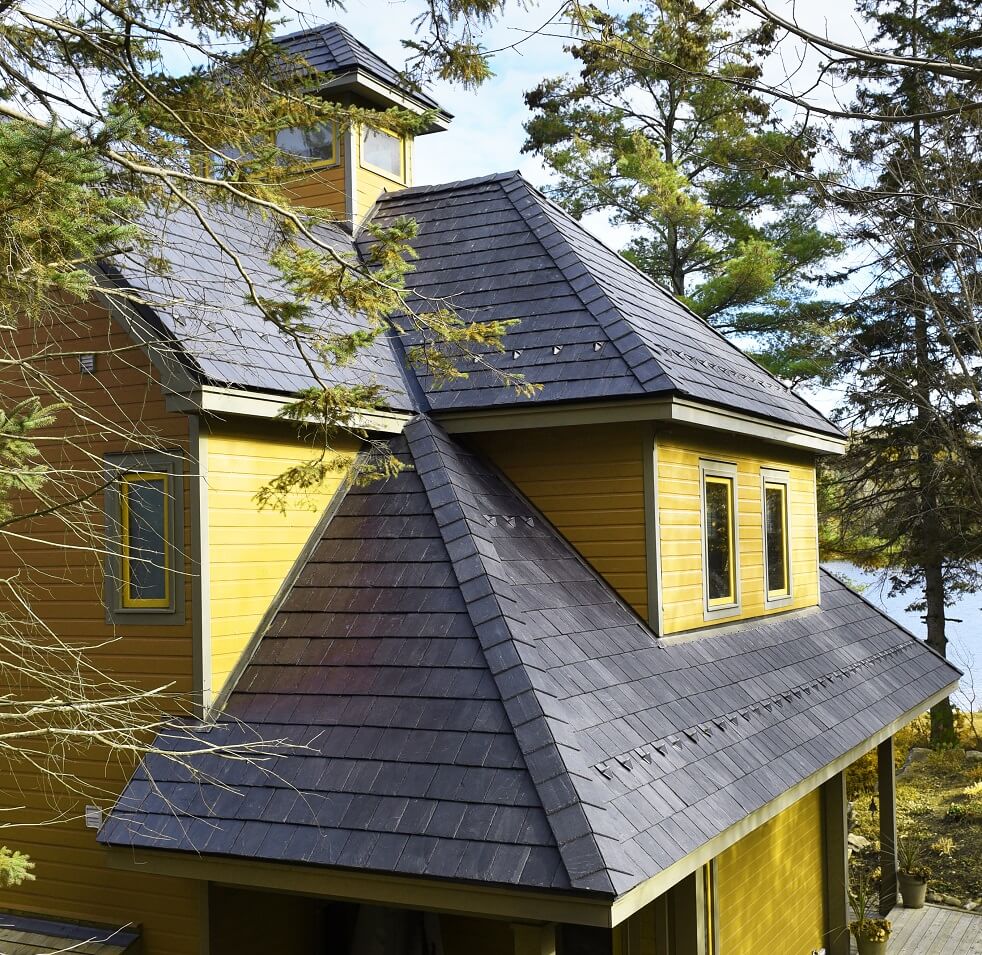
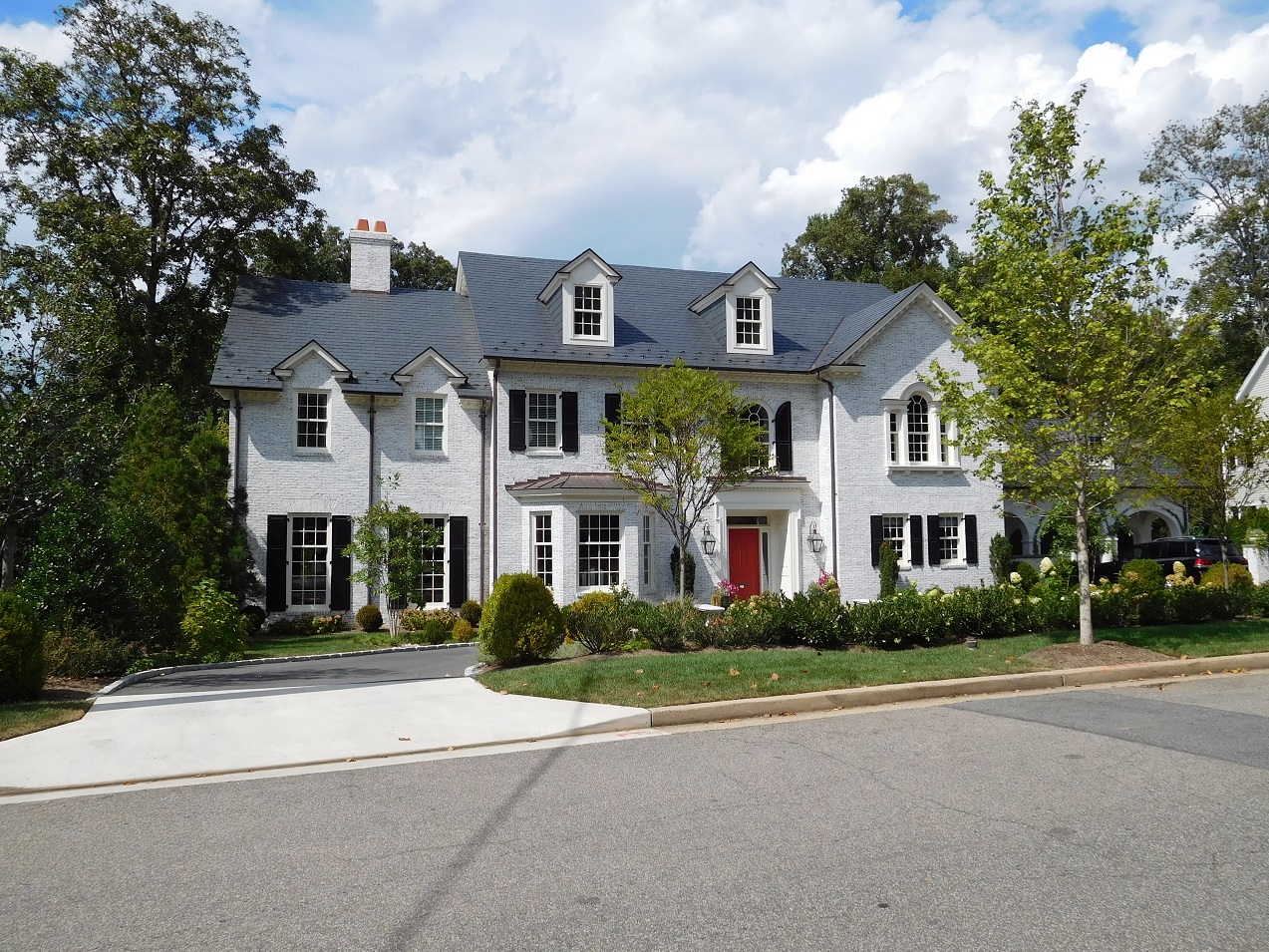
Natural Slate · Vermont Slate installation · real project

What natural slate actually is

Natural slate is metamorphic rock, formed under geological pressure and heat over millions of years. It cleaves into flat, durable sheets along its foliation planes. As a roofing material, it predates concrete, steel, and every synthetic product on this page by centuries. Slate roofs installed in the 1800s are still performing today. That is not marketing language. It is a documented, inspectable historical record on buildings across the northeastern United States and Europe.

Colorado performance: why altitude changes the equation in slate's favor

Altitude UV doesn't degrade slate. Freeze-thaw cycling doesn't crack slate. Hail impact doesn't penetrate properly graded slate. These are the three forces that destroy most roofing systems in Colorado, and none of them materially affect natural slate. The one variable that matters is grade: S1 grade slate (the highest classification) carries a 75+ year estimated lifespan with low absorption rates (below 0.35% by weight) and negligible depth of softening in freeze-thaw tests. S2 and S3 grades are softer, absorb more water, and have shorter usable lives. They are not appropriate for Colorado altitude installations.

Installation: why this is a true specialty trade

Natural slate cannot be installed like any other roofing material. The tiles must be hand-holed. Pneumatic nailing splits slate. Fasteners must be copper or stainless steel; galvanized fasteners corrode faster than the slate itself. Each tile must be lapped correctly to maintain the two-course minimum coverage that keeps the underlayment dry. Cuts must be made with a slater's ripper or diamond blade, not a circular saw. Flashings must be lead-coated copper or copper. Aluminum flashing against slate accelerates galvanic corrosion. The national shortage of slate-trained installers is real. Most contractors who advertise slate installation have done a handful of squares. Our crews have done tens of thousands.

Longevity: what the 100–150 year figure actually means

S1-grade Vermont and New York slate can reasonably be expected to exceed 100 years in service with proper installation and periodic inspection. The failure mode for a slate roof is almost always the flashings or the fasteners. Not the slate itself. A roof diagnosed as 'needing replacement' is often a slate roof where only the flashings need attention. This is why slate repair is a viable and often preferable alternative to replacement on well-installed roofs. Any contractor who looks at a 60-year-old slate roof and immediately quotes a full replacement without evaluating individual tile condition is not a slate contractor.

Natural Slate · installed roofline

Installation Option

Faster Installation: The READYSLATE System

Natural slate has one legitimate constraint: installation is slow, skilled work. READYSLATE addresses that constraint directly, without substituting a synthetic or composite material. It is natural slate, installed faster.

What READYSLATE is

READYSLATE is a pre-assembled natural slate roofing panel developed by CUPA GROUP (the world's largest natural slate producer) and distributed in the United States by Vermont Slate Company. Each panel consists of four hand-quarried Tectonic Spanish slate tiles (12" × 8" each) pre-mounted on a waterproof HDPE backing with an integrated bituminous self-adhesive membrane. Panels measure 38" × 14" and weigh 11 lbs each, light enough for a single installer to handle. The slate itself is natural, quarried material. The backing system is what changes the installation equation.

How installation differs from traditional hand-set slate

Traditional slate installation requires hand-holing each tile (pneumatic nailing splits slate), course-by-course layout with precise lap calculation, and the kind of trained eye that only comes from years of slate-specific work. READYSLATE eliminates most of that complexity. Tiles arrive pre-drilled. No hand-holing required. Courses align using marked overlap lines on the HDPE panel. The four-step installation sequence can be executed by experienced roofers without a dedicated slate background. The labor time reduction is meaningful. So is the reduction in skill dependency: finding a traditional slate crew in Colorado is difficult; finding roofers who can install a structured panel system is significantly easier.

Why the longevity holds: it is still natural slate

The durability case for READYSLATE rests on the same material science as hand-set slate: the tiles are natural stone, inert to UV, freeze-thaw cycling, and hail in ways no synthetic product can replicate. READYSLATE carries a Class 4 UL 2218 impact rating (the highest available) and a Lifetime Limited warranty with registration. The HDPE backing is a durable polymer that does not degrade under normal roofing exposure. The integrated bituminous membrane provides genuine secondary waterproofing at the panel level, which is arguably more consistent than the seam-and-lap waterproofing of traditional hand-set installations. What you are not getting is the American-quarried S1-grade pedigree of Vermont or New York slate. READYSLATE uses Tectonic Spanish slate, which is a premium natural slate with strong performance credentials, just a different provenance. For most projects, this distinction is immaterial.

Who it is right for

READYSLATE is the right answer for projects where traditional slate installation timelines create real problems: a renovation that needs the roof closed before winter, a homeowner who wants genuine slate but cannot find a trained crew locally, or a project where labor cost is the obstacle rather than the material. It is not a compromise on material quality. It is a different installation format for the same material category. The tradeoff: less fieldwork flexibility than hand-set slate for complex roof geometries, and the Tectonic Spanish slate, while premium, is not the same product as a Champlain Valley S1-grade tile with a documented geological provenance. For straightforward residential geometries where installation speed and crew availability are legitimate concerns, READYSLATE closes the gap between wanting a slate roof and actually having one.

Colorado-specific benefits

At altitude, roofing projects face weather windows that don't exist at lower elevations. A traditional slate installation on a complex Colorado mountain home can span weeks of exposed deck, with underlayment left open to UV and afternoon thunderstorm risk and labor stretched across multiple weather holds. READYSLATE's faster installation cycle compresses that exposure window meaningfully. The pre-drilled, pre-assembled panels also reduce the precision toolkit required at altitude, where wind and temperature affect fine detail work. The Class 4 impact rating matters in Colorado's hail corridors. And for the Front Range and mountain communities where traditional slate crews are genuinely scarce, READYSLATE makes natural slate a practical option rather than a theoretical one.

Brands We Work With

Vermont Slate Company / READYSLATE

US distributor of the READYSLATE pre-assembled natural slate panel system. Four-step installation, Class 4 impact rated, Lifetime Limited warranty. The practical path to genuine natural slate when traditional installation timelines or crew availability are a constraint.

Vermont Slate Company

American-quarried S1-grade slate from the Champlain Valley. The benchmark for domestic natural slate. Multiple color grades including purple-gray, sea green, and unfading black.

New England Slate

Premium architectural grades from Vermont and New York quarries. Strong selection of unfading and weathering grades. Worth specifying for longevity-critical projects.

Evergreen Slate

Specialty sizing and custom thickness available. Appropriate for historic restoration and projects with unusual pitch or exposure requirements.

Class 4 Impact Resistance

Stone-Coated Steel

Lifespan

40–70 years

Weight: 1.4 lbs per sq ft

OCR Install · Stone-Coated Steel · Barrel tile profile · Colorado mountain home

What stone-coated steel is and how it performs

Stone-coated steel is a Galvalume steel substrate (an alloy of steel, aluminum, and zinc) with an acrylic adhesive base coat and a surface layer of ceramic-coated stone chips. The result is a product that combines the structural integrity of steel with the visual profile of tile, shake, or Mediterranean barrel styles, and the Class 4 UL 2218 impact rating that makes it the right answer for most of Colorado's high-hail risk zones. At 1.4 lbs per square foot, it is also the lightest permanent roofing system we install. A structural advantage on older homes not engineered for tile's 9–12 lb load.

Colorado hail: why Class 4 matters and what it actually means

UL 2218 Class 4 is the highest impact rating available for roofing products. It tests resistance to a 2-inch steel ball dropped from 20 feet, simulating large hail impact without cracking, splitting, or creating openings that would allow water infiltration. In Colorado's high-hail corridors from Colorado Springs north through the Denver Metro to Fort Collins, Class 4 rated products can qualify for insurance premium discounts of 20–30% depending on carrier and jurisdiction. On a $15,000 annual premium, that discount often pays for the premium cost of a stone-coated steel system within 3–5 years. It is not just a roof upgrade. It is a financial calculation.

Wind performance and Colorado's altitude factor

Stone-coated steel systems carry FM4473 wind ratings to 120+ mph with proper attachment pattern. At altitude, wind loads are different than national tables suggest, both because altitude affects air density calculations and because mountain terrain creates localized wind acceleration effects that can exceed the base wind speed for a given elevation. We specify fastener patterns and underlayment systems for the actual site conditions, not the nearest weather station's reported average.

Installation: what separates a specialist from a general roofer

Stone-coated steel is not a standard shingle install. The clip attachment system, panel interlock geometry, and required nailing patterns are specific to each manufacturer's system. Using the wrong fastener pattern voids the warranty and undermines wind performance. Cutting panels requires metal shears or a nibbler. Never a grinder, which destroys the coating edge and creates rust initiation points. Flashing integration must account for the panel's thermal movement. Getting these details right requires familiarity with the specific system being installed, not just general roofing competence.

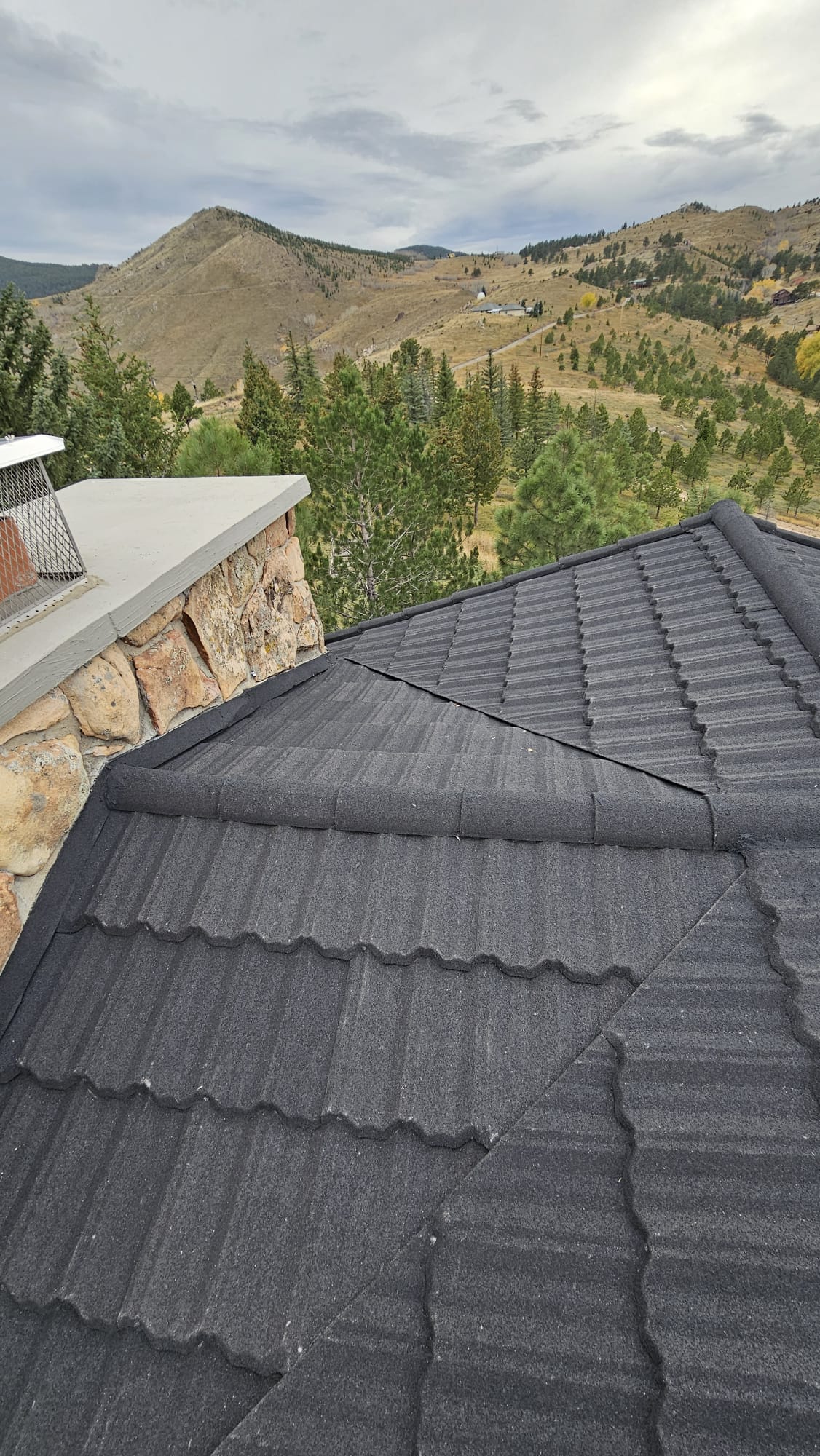
OCR Install · Stone-Coated Steel · Charcoal · Colorado mountain setting
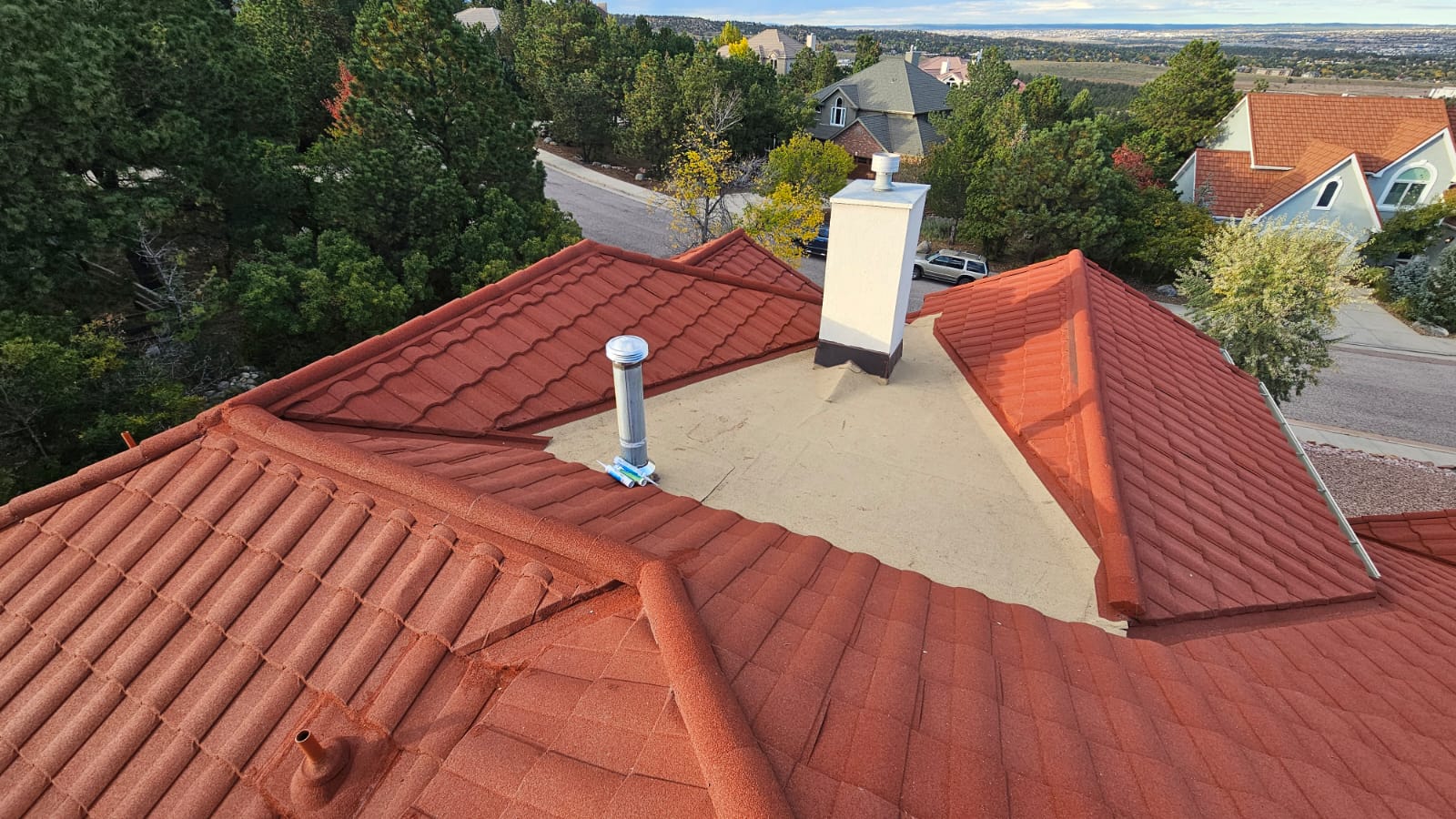
OCR Install · Stone-Coated Steel · Terra cotta barrel · aerial view

Brands We Work With

DECRA (Westlake)

The original stone-coated steel manufacturer, operating since 1957. The global installation base is larger than all competitors combined. Shake, tile, and shingle profiles. Strong Colorado distribution network.

Unified Steel

Westlake Royal's stone-coated steel line. Class 4 UL 2218 impact rated, coordinated to work within the broader Westlake Royal product ecosystem. Good profile variety and strong Colorado distribution.

Tilcor

Ross family stone-coated steel. Concealed fastening on several profiles. We pick the line when the spec and inventory match the job.

Concealed & Exposed Fastener Systems

Metal Roofing

Lifespan

20–70 years

Weight: 1–3 lbs per sq ft

Metal Roofing · Concealed and exposed fastener systems

Two systems, two performance profiles

Metal roofing divides into two fundamentally different installation methods: concealed-fastener standing seam and exposed-fastener panel systems. The choice between them is not just a budget decision. It determines lifespan, maintenance requirements, appropriate applications, and warranty terms. Understanding the distinction before selecting a system is the most important single step in any metal roofing decision.

Standing Seam: Concealed Fastener System

50–70 years
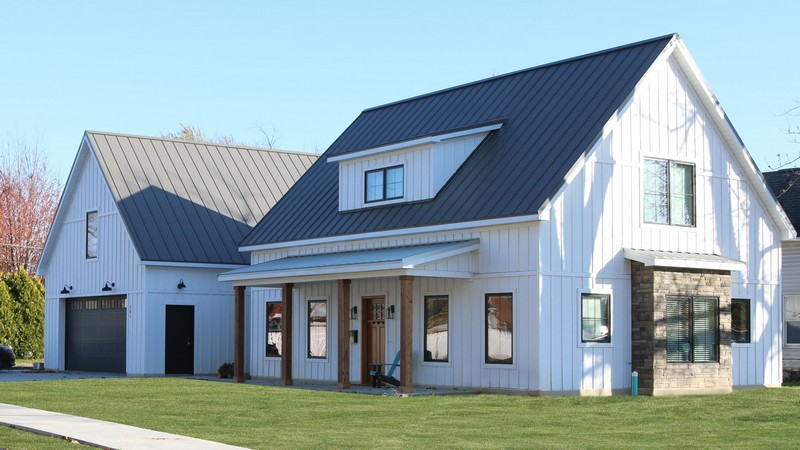
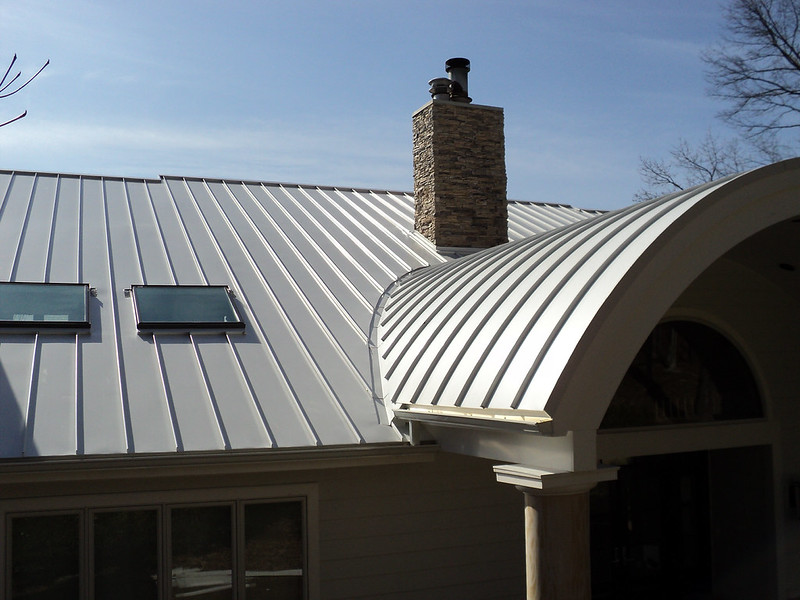
McElroy Metal · standing seam · modern farmhouse
Drexel Metals · standing seam · residential installation
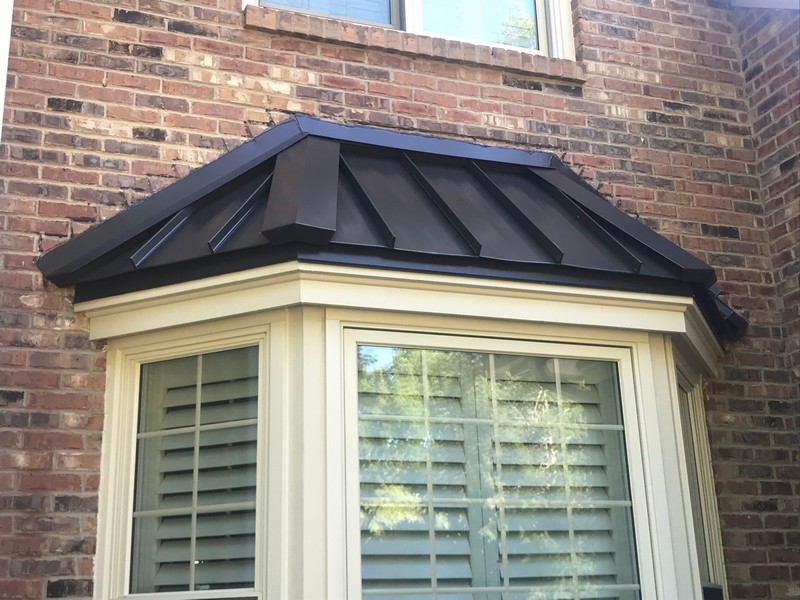
McElroy Metal · standing seam · bay window detail

How concealed fastener attachment works

Standing seam panels interlock through a raised seam. The clip that attaches the panel to the substrate sits inside that seam, completely concealed from weather. The panel slides through the clip as it expands and contracts thermally. No fastener ever penetrates the panel face. This single design decision is what separates a 50–70 year product from a 20–40 year product.

Thermal movement and why the engineering matters in Colorado

Metal panels move. A 20-foot steel panel will expand and contract approximately 3/16" over a 100°F temperature swing, which is common across a Colorado year. A panel attached with fixed fasteners will buckle, develop stress fractures at the fastener holes, or pull the fasteners out of the substrate over time. Standing seam systems use floating clip attachment specifically to accommodate this movement: the panel slides through the clip as it expands and contracts. Getting this engineering right requires understanding the specific thermal expansion coefficient of the panel material, the panel length, and the temperature range of the installation site. At 8,000 feet, that range is wider than at sea level.

Material options and what each is worth specifying for

Steel (Galvalume or Galvanized) is the standard: strong, cost-effective, appropriate for most projects. Aluminum is lighter, non-corrosive, and appropriate for coastal or chemically challenging environments. In Colorado, it is a reasonable choice for mountain locations with heavy snow load where panel weight is a concern. Copper is the premium option: dimensionally stable, naturally patinating, and effectively indefinite in lifespan with proper installation. Zinc is a European-origin material increasingly specified for high-end mountain architecture. It develops a zinc carbonate patina over time that self-repairs minor surface scratches. Each material has distinct fabrication and installation requirements.

Minimum pitch, gutter interface, and the details that matter

Most standing seam systems carry a minimum 1:12 pitch specification. Low-slope applications (below 3:12) require engineered seams: mechanically seamed at a minimum, fluid-applied at penetrations. Gutter integration on standing seam requires correct bracket type and spacing for snow and ice load at altitude. Snowguards must be engineered for panel capacity. Improperly attached snowguards are the most common cause of standing seam panel deformation in mountain installations. These are not details that a general roofer without metal-specific training will get right on the first job.

Brands We Work With

McElroy Metal

American manufacturer with one of the broadest standing seam panel profiles in the market. Multiple gauge options, Galvalume standard. Strong installer support and technical documentation.

Drexel Metals

High-performance steel and aluminum coil. Often specified for architectural projects with demanding aesthetic requirements.

Sheffield Metals

Premium coil and flat stock supplier. Strong coatings expertise, particularly their PVDF (Kynar) color programs, which carry the longest fade warranties in the category.

PAC-CLAD by Petersen

Architectural grade panels with Kynar 500 PVDF coating standard. 40-year paint warranty. Widely specified in commercial and high-end residential projects across the mountain west.

ATAS International

Broad system portfolio with specialty profiles for unusual applications. Good technical support for non-standard projects.

Exposed Fastener Metal: Pro Panel

20–40 years with proper maintenance
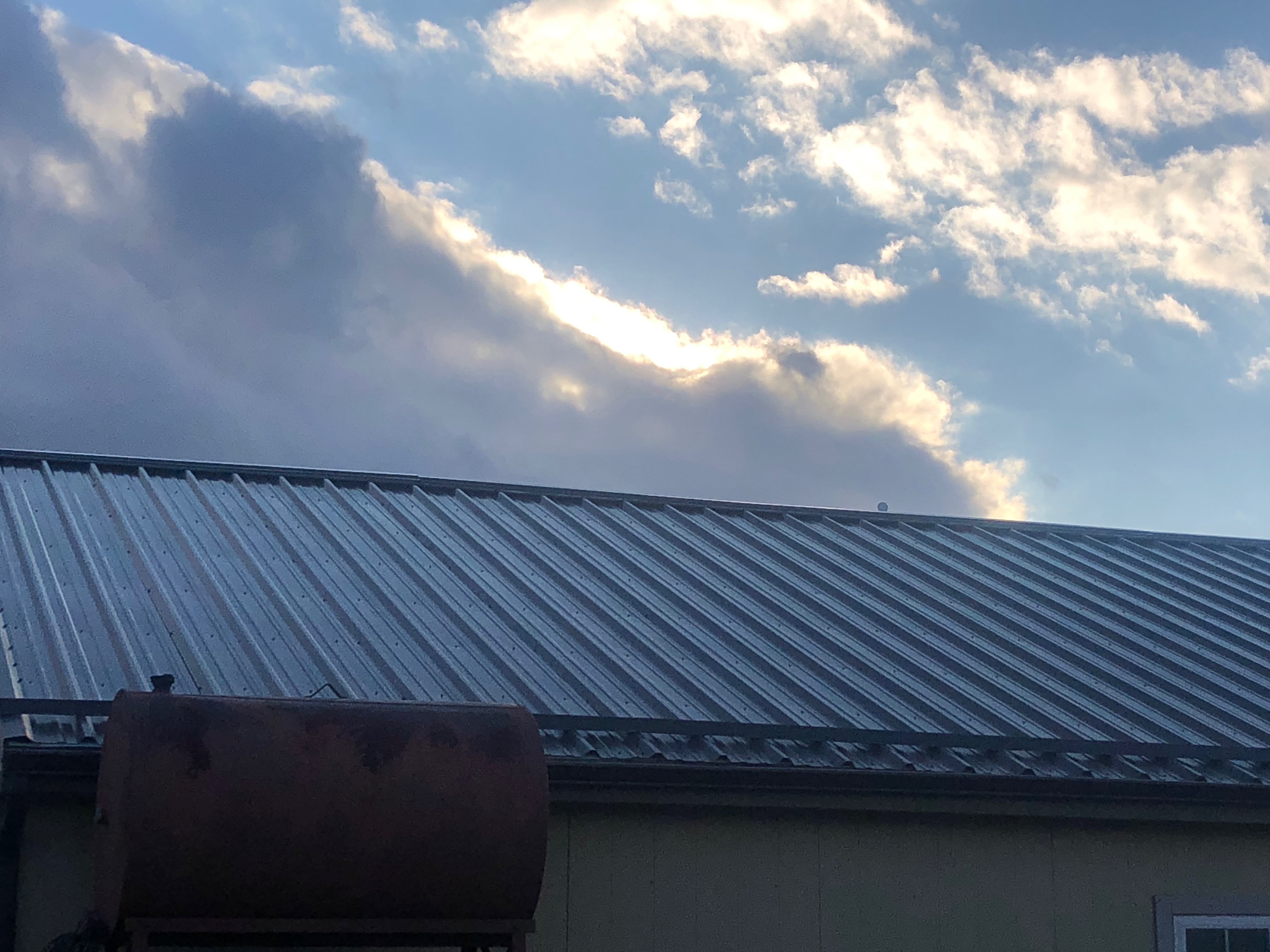
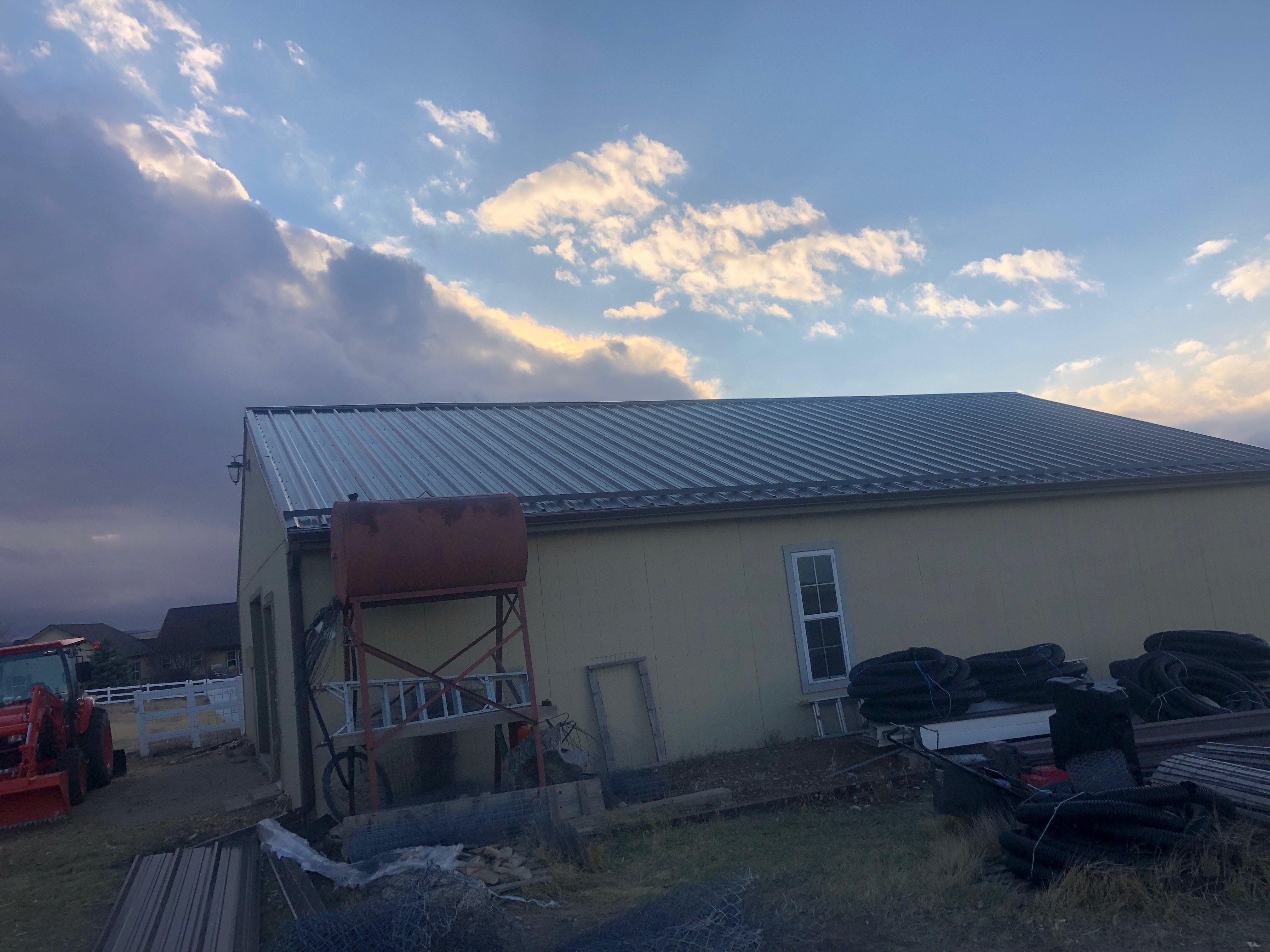
OCR Install · Pro Panel · Mountain cabin · Colorado
OCR Install · Pro Panel · Exposed fastener metal · Colorado

Pro Panel (also called R-panel or exposed fastener metal) is the most common roofing system in Colorado's mountain communities. Drive through Park County, Chaffee County, or any rural stretch of the Rockies and you'll see it on cabins, outbuildings, and second homes everywhere. There's a reason for that. It works. It's affordable. It goes on fast. And in a place where people go to sleep, hunt, and not think about their roof, that's often exactly the right answer.

We install Pro Panel across Colorado's mountain communities. Pops has been putting it on cabins in Park County for years. If Pro Panel is the right system for your project, we'll tell you so. And we'll build it right.

The Case for Pro Panel

  • Significantly lower cost than standing seam. A typical mountain cabin runs $10,000-$16,000 installed vs. $18,000-$30,000 for standing seam.

  • Fast installation. Fewer parts, simpler system, less labor time.

  • Class A fire rated. Every bit as fire resistant as standing seam. For Colorado WUI zones, it qualifies.

  • Widely available. Materials stock locally across Colorado mountain communities.

  • Proven track record. Millions of square feet installed across the Rockies over decades.

  • Easy to repair. A single damaged panel can be replaced without a specialist.

The Honest Trade-Offs

  • Screws back out over time. Exposed fasteners go through thermal expansion and contraction cycles every single day at altitude. Over 10-15 years, some screws will back out and need re-driving. This is not a defect. It's physics. Plan for a maintenance visit every decade.

  • Ember intrusion risk at the eave. The open rib channel at the eave termination can allow wind-driven embers to blow up under the panel in a wildfire. We close this gap on every install with eave closure strips. Most contractors skip this step. We don't.

  • Not watertight at the fastener. Standing seam has zero exposed fasteners. Pro Panel has hundreds. Properly installed with quality rubber-gasketed screws, this is not a problem in practice. But it is a meaningful distinction.

  • Less architectural. Pro Panel looks like what it is: a working roof. If curb appeal is a priority, standing seam or stone-coated steel will serve you better.

Installation Note

A note on fire safety: Pro Panel has a known ember intrusion vulnerability at the eave where the open rib meets the drip edge. Wind-driven embers can blow up under the panel and reach the underlayment. The fix is simple. Eave closure strips installed at every rib before the drip edge goes on. We include this on every Pro Panel install. Ask your contractor if they do.

Pro Panel is the right call when:

  • Budget is a real constraint and permanent metal is still the goal

  • It's a cabin, second home, or outbuilding where function beats aesthetics

  • You want Class A fire protection without standing seam pricing

  • The structure is simple: low to moderate pitch, minimal penetrations

  • You're replacing a failing asphalt roof and want to step up without stepping all the way up

Standing seam is probably the better call when:

  • The home is a primary residence

  • Architectural quality matters to the owner or HOA

  • The roof is complex with many penetrations or valleys

  • Long-term zero-maintenance is the goal

Full-deck ice and water shield: our baseline

On every exposed fastener project we install, we specify full-deck ice and water shield underlayment across the entire roof deck, not just at eaves and valleys as code minimum requires. When fastener seals eventually degrade and allow moisture through the panel surface, the ice and water shield provides a true secondary waterproofing membrane. It doesn't prevent fastener degradation. Nothing does. But it meaningfully extends the period before any interior water damage occurs.

Warranty: we are honest about this

We cannot offer the same warranty on exposed fastener work as on standing seam. The system's inherent vulnerability at fastener penetrations is a known limitation, and warranting against it as aggressively as a concealed fastener system would be dishonest. Specific warranty terms for each project are discussed clearly before any contract is signed.

Brands We Work With

McElroy Metal

Max-Rib profile. Among the largest metal panel manufacturers in the US. Strong technical documentation and installer support.

Metal Sales Manufacturing

One of the most widely distributed exposed fastener panel manufacturers in the country. R-panel and agricultural panel profiles with good availability throughout Colorado.

ABC (American Building Components)

Part of the NCI Building Systems family. Comprehensive exposed fastener panel portfolio with strong regional distribution across the mountain west.

Engineered Polymer Systems

Synthetic Roofing

Lifespan

50+ years

Weight: 1–5 lbs per sq ft depending on product

Synthetic Roofing · Class 4 impact rated · 50-year warranty

What synthetic roofing actually is, and why it's not asphalt

Synthetic roofing systems are polymer-based products engineered to replicate the visual profile of natural slate, cedar shake, or tile while delivering performance characteristics those materials can't match at their price point. The critical distinction from asphalt is the base material: asphalt shingles are petroleum-derived products whose performance degrades as the volatile oils oxidize and the mineral granule coating erodes. Quality synthetic products are UV-stabilized polymer composites. They do not oxidize, do not lose granules, and do not become brittle in cold temperatures the way asphalt does. This is not a minor material improvement. It is a different category of product.

Impact performance in Colorado's hail environment

The Class 4 UL 2218 rating (the highest available) is standard across most quality synthetic product lines. F-Wave carries a 130-mph wind rating and Class 4 impact rating with a product weight of approximately 185 lbs per square. Euroshield's recycled rubber composition provides excellent impact dampening and also meaningfully reduces hail noise inside the home, an underappreciated benefit in Colorado mountain locations where large hail on a metal or hard-surface roof can be disruptive. DaVinci Roofscapes products are Class 4 rated and carry Class A fire ratings across the full product line, relevant in Colorado's defensible space zones and WUI (Wildland-Urban Interface) areas where local codes require Class A fire resistance.

Visual fidelity: which products actually look like what they imitate

Not all synthetics are equal in their visual replication of natural materials. DaVinci Roofscapes has the longest track record and most investment in visual fidelity. Their slate and shake profiles are cast from natural material molds and carry through color variation that reads as natural from street level. Brava Roof Tile offers some of the widest profile variety, including a convincing barrel tile profile. CeDUR has focused on shake profiles specifically and has achieved excellent texture replication at a lighter weight (approximately 1.4 lbs/sq ft) than most competing products. For neighborhood contexts where design review boards or HOA covenants reference 'slate appearance' without explicitly requiring natural slate, synthetic products now clear most approval processes.

What to watch for when comparing synthetic products

The synthetic category has a wide performance range. Entry-level products at the 30-year warranty tier are meaningfully different from the 50-year warranty products, not just in longevity but in impact resistance, color stability, and installation quality. The polymer formulations are not public, but the warranty terms and the UL test results are. Always specify the Class 4 product, always specify the 50-year warranty tier, and confirm that the specific color being purchased is covered at the same warranty level as the base product (some manufacturers have different warranty terms for lighter colors that may fade). EcoStar (Carlisle) is worth specifying for projects with sustainability goals. Their products use a high percentage of recycled content, carry Class 4 impact, and are one of the few synthetics with documented recycling programs at end of life.

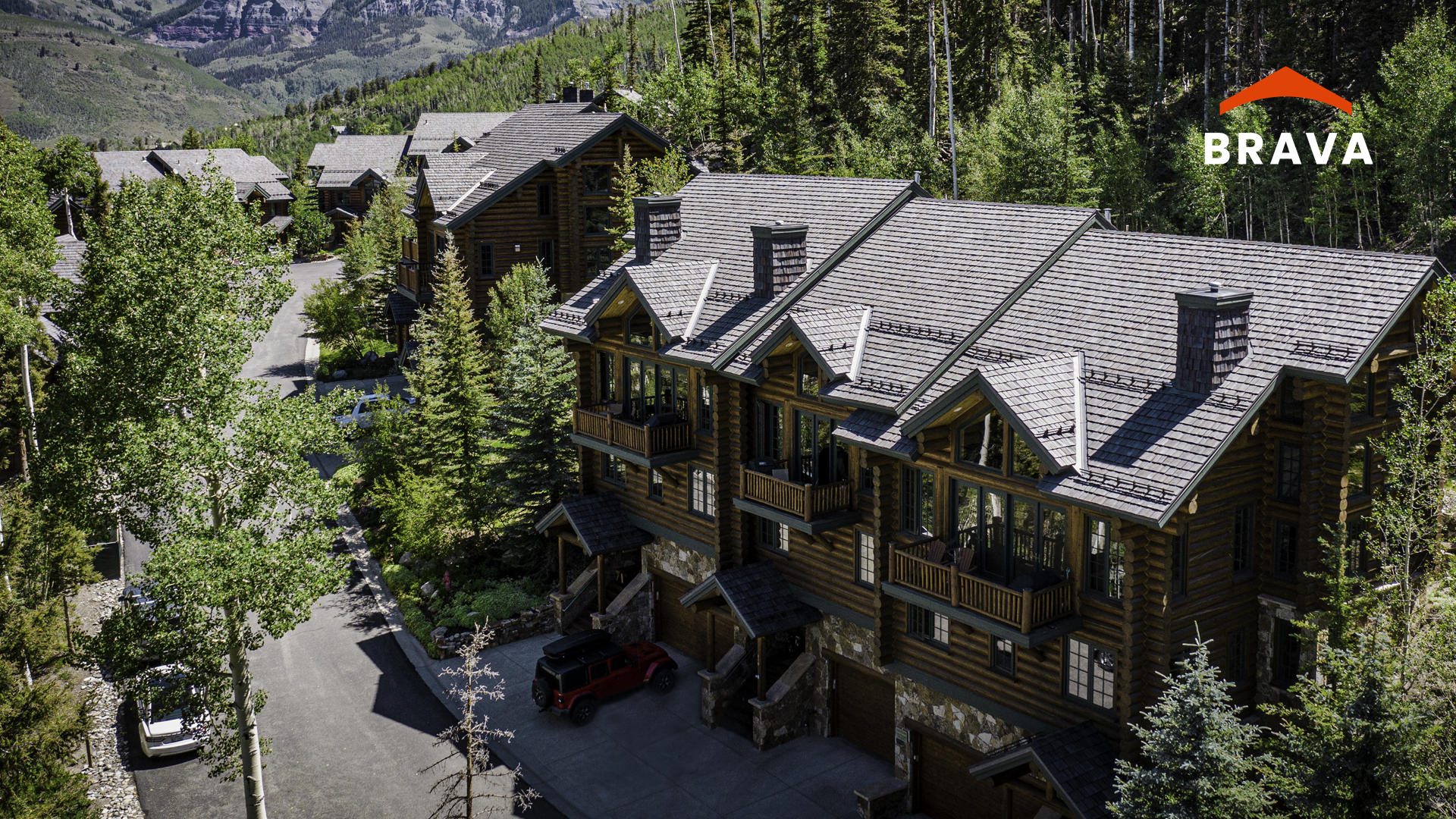
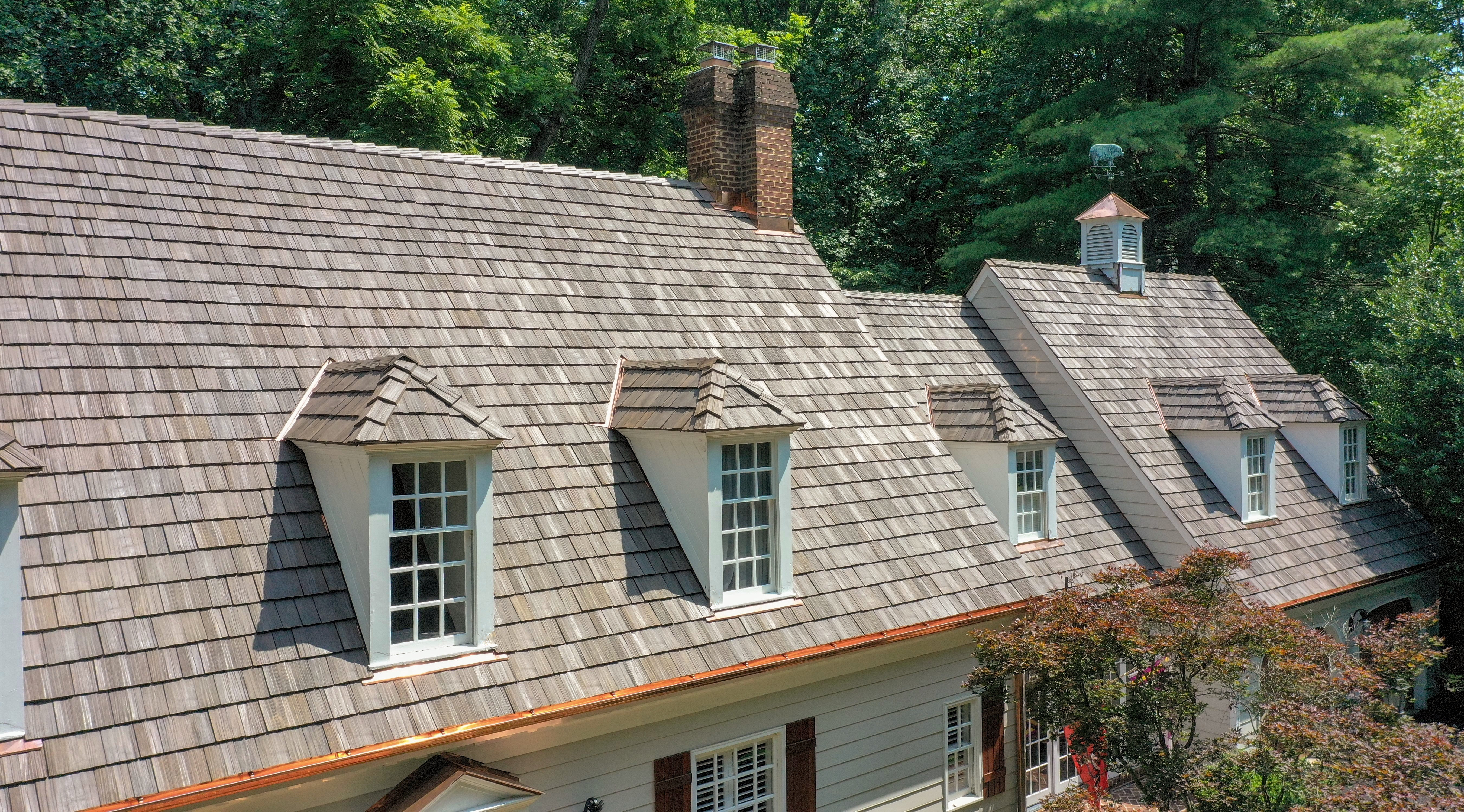
Brava Cedar Shake · dormer and roofline detail
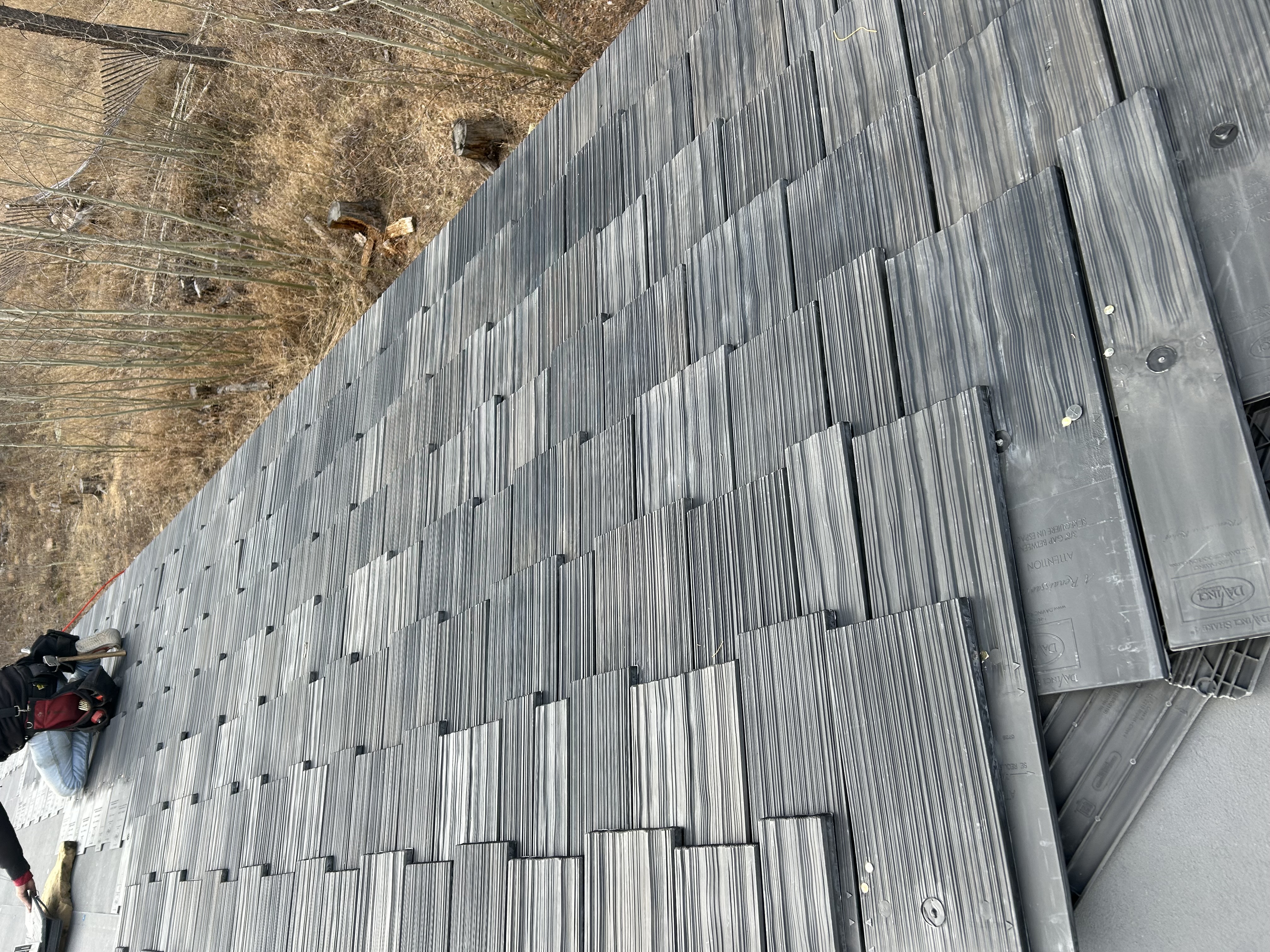
OCR Install · DaVinci Roofscapes · Slate profile · Colorado

Brands We Work With

F-Wave

American-made (Fort Worth, TX). 130-mph wind rated, Class 4 impact, Class A fire. One of the newer entrants in the premium synthetic category with strong technical credentials.

Euroshield

Recycled rubber composition. Class 4 impact, excellent sound dampening. Particularly appropriate for mountain locations where hail noise on hard surfaces is a concern.

DaVinci Roofscapes

The market standard for visual fidelity in synthetic slate and shake. 50-year warranty, Class 4, Class A fire. The product to specify when visual replication is the primary decision driver.

CeDUR

Lightweight polymer shake at approximately 1.4 lbs/sq ft, a structural advantage on older homes. Class 4, Class A fire.

Brava Roof Tile

Widest profile variety in the synthetic category, including cedar shake, slate, and barrel tile. Class 4, 50-year warranty, made in the USA.

EcoStar (Carlisle)

Recycled content manufacturer with a documented sustainability program. Class 4 slate profile, Class A fire. Worth specifying for LEED or green building projects.

Building-Integrated Photovoltaics

Solar-Integrated

Lifespan

Lifetime system

Weight: Varies by system

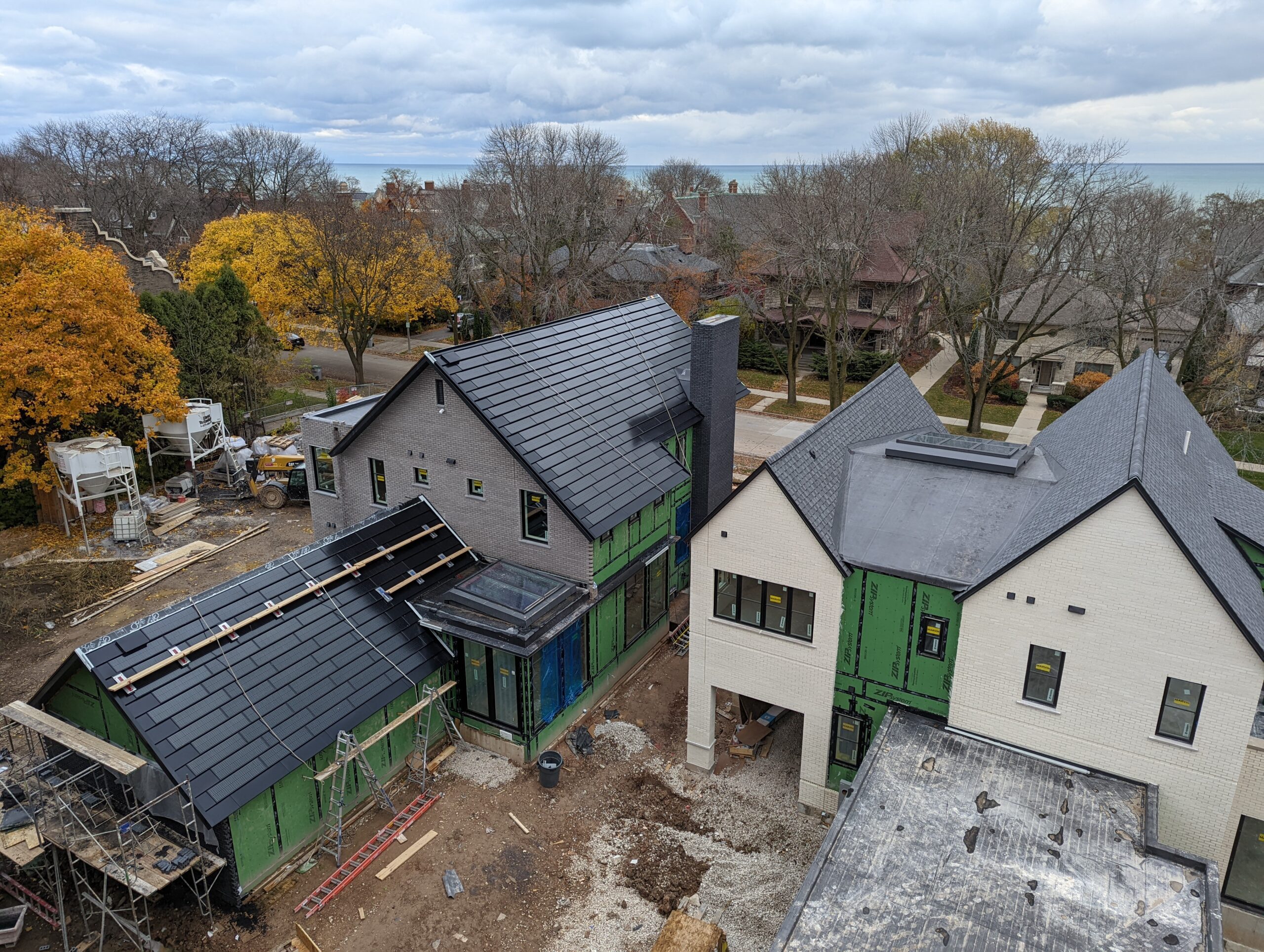
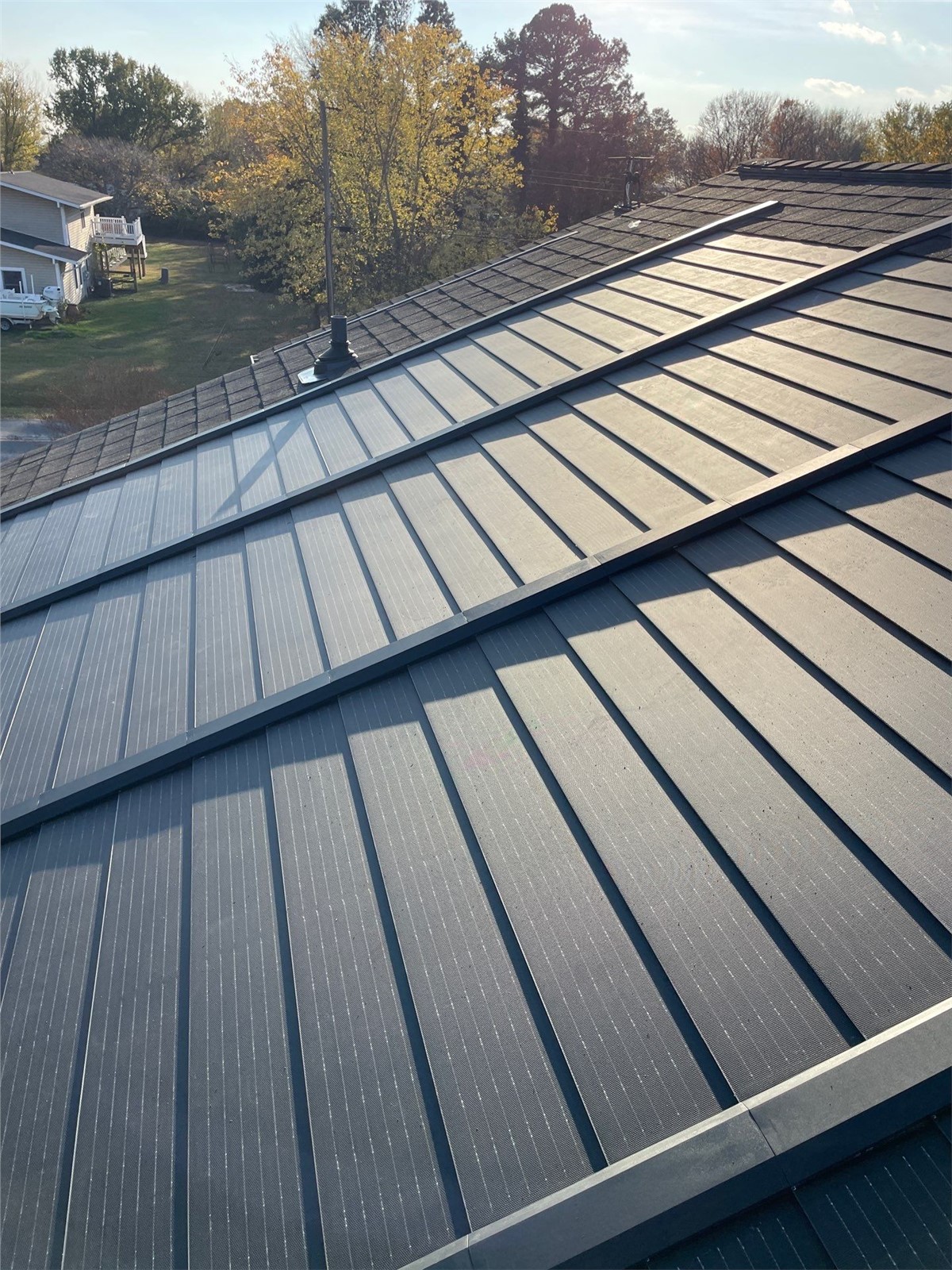
Luma Solar · fully integrated solar roof system

BIPV vs. rack-mounted solar: why the distinction matters

Building-integrated photovoltaics (BIPV) are fundamentally different from conventional rack-mounted solar installations. Rack-mounted solar places PV panels on a frame attached to an existing roof, creating penetrations at every attachment point, a secondary maintenance system (the racking hardware), and a roof-within-a-roof situation where the underlying roofing material continues to age independently beneath the panels. BIPV systems replace the roof material itself with photovoltaic modules. There are no penetrations below the module level, no secondary aging system underneath, and a single warranty structure covering both weatherization and power production.

Current products and what they actually deliver

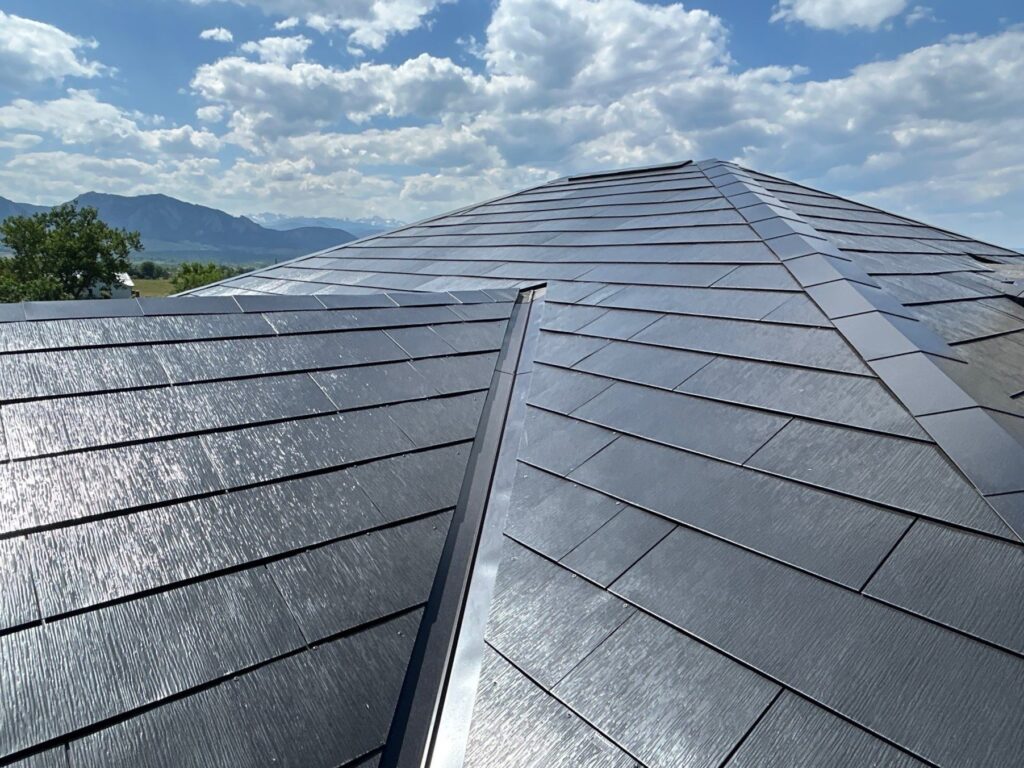
The Tesla Solar Roof covers the entire roof in a combination of active solar tiles and non-solar glass tiles that match aesthetically. The system carries a 25-year warranty covering weatherization, power production, and product performance, backed by Tesla's financial resources. GAF Timberline Solar is a nailable integrated solar shingle that installs alongside standard GAF shingles, making it a more flexible option for partial-solar applications or re-roofs where only a portion of the roof faces are solar-appropriate. CertainTeed Solstice is a building-integrated PV panel, a glass-laminate product that replaces standard shingles and carries Class A fire rating. Luma Solar offers a premium whole-home solar roof system with a focus on high-efficiency modules and architectural integration.

Colorado solar context: why this market is larger than most expect

Colorado averages 300 days of sunshine per year and sits at an altitude that increases solar irradiance meaningfully compared to sea level calculations. The same panel produces more power in Denver than in equivalent-latitude lower-altitude locations. Colorado's net metering policies and Xcel Energy's solar programs have historically made solar economically viable across a wide range of home types. BIPV systems make sense where the homeowner is re-roofing anyway (avoiding the double cost of a new roof plus rack-mounted solar), where design standards prohibit traditional panel aesthetics, or where the homeowner wants a single-system warranty covering the entire building envelope.

Honest Note

We are actively developing our expertise and contractor relationships in solar-integrated roofing. If this is your priority, reach out. We want to hear about your project and we will tell you honestly what we can deliver.

GAF Solar Shingles · nailable solar shingle integration
Tesla Solar Roof · whole-roof BIPV tile system

Brands We Work With

Tesla Solar Roof

25-year warranty on power and weatherization. Full-roof BIPV system with non-solar glass tile infill. Premium product for whole-roof solar integration.

GAF Timberline Solar

Nailable solar shingle that integrates with standard GAF roofing. More flexible for partial-solar applications and standard contractor installation patterns.

CertainTeed Solstice

Building-integrated PV panel with Class A fire rating. Glass-laminate construction. Worth evaluating for commercial and high-end residential projects.

Luma Solar

Premium whole-home solar roof system with a focus on high-efficiency module integration and architectural design quality.

Foundation of Every Roof

Why Underlayment Matters

The layer most homeowners never see is the one most responsible for how long their roof performs.

What underlayment actually does

Underlayment is the roofing layer most homeowners never think about. It most directly determines how long a roof performs. It sits between the decking and the primary roofing system, serving as the roof's true waterproofing membrane. Tile, slate, and metal panels are not fully waterproof at every point: valleys, penetrations, hip details, and thermal movement create opportunities for water infiltration. The underlayment is the insurance policy that catches what the primary system misses. Specifying the wrong underlayment for a given application, or the cheapest option regardless of climate exposure, is one of the most common ways a quality roofing system fails ahead of schedule.

Traditional felt vs. synthetic underlayment

Traditional #15 and #30 felt underlayment is asphalt-saturated organic felt, the industry standard for over a century. It works. It's inexpensive. But it absorbs moisture, can wrinkle and buckle in high UV exposure during construction, and degrades with prolonged direct sunlight if the primary covering is delayed. Synthetic underlayments (polypropylene or polyester woven fabrics) are lighter, more tear-resistant, and more UV-stable for construction delays, with better traction for installers. For most applications, synthetic is the better specification. The case for felt is primarily price and availability on low-budget projects.

Self-adhered underlayments: when to specify them

Self-adhered (peel-and-stick) underlayments are rubberized asphalt membrane products that bond directly to the roof deck, creating a continuous watertight seal that mechanically-fastened products cannot replicate. They are the appropriate specification for eaves (ice dam protection), valleys, around all penetrations, and for any area of a Colorado roof that will see ice damming or pooled snowmelt. For exposed fastener metal roofing, we specify self-adhered underlayment across the full deck. For slate and tile, self-adhered products at eaves and valleys combined with synthetic mechanically-fastened field underlayment is standard practice.

Solar Skin: thermal reflection underlayment

Solar Skin is a reflective synthetic underlayment designed to address the thermal load in a roofing assembly. Conventional dark underlayments absorb heat, raising attic temperatures and increasing cooling loads. Solar Skin's metallic reflective layer directs thermal radiation back through the primary roofing material rather than absorbing it into the assembly. In Colorado's high-altitude conditions, where solar irradiance is higher than at sea level and temperature swings are extreme, the thermal management function is a genuine performance benefit. Specify it on tile and metal projects where attic temperature management is a priority.

Colorado-specific considerations

At altitude, three factors make underlayment selection more consequential than in lower-altitude markets. First, UV degradation during construction: Colorado's elevated UV index means underlayment left exposed degrades faster. Specify UV-stable synthetics with documented exposure ratings. Second, ice dam management: Colorado's combination of heavy snowpack, temperature swings, and mountain architecture creates ice dam exposure across a wide range of slopes and orientations. Self-adhered underlayment at eaves and all valleys is minimum practice, not a premium upgrade. Third, snow load and moisture cycling: Colorado roofs see repeated wet-dry-freeze cycles that stress underlayment adhesion and seams. Premium products with better seam tape and lap adhesion perform better over the long term.

Our standard

We don't have a single default underlayment specification. The right underlayment depends on the primary roofing system, roof slope and geometry, climate zone and altitude, expected construction schedule, and attic assembly design. What we do have is a standard for the minimum: no project ships with #15 felt as the only underlayment. For every project, we specify the underlayment system in writing before the contract is signed: the product, the application scope, and the rationale.

Premium Underlayment Products We Specify

Grace Ice & Water Shield

The market standard for self-adhered waterproofing underlayment. Rubberized asphalt formula, wide application temperature range, self-sealing at fastener penetrations. The default specification for eaves, valleys, and full-deck exposed fastener applications.

Henry Blueskin VP100

Vapor-permeable self-adhered underlayment that allows the roof assembly to dry to the exterior while blocking liquid water infiltration. Appropriate for low-slope applications where assembly vapor management is a concern.

Carlisle WIP 300HT

High-temperature rated self-adhered underlayment. The correct specification beneath metal and tile systems where panel surface temperatures can exceed 200°F. Standard rubberized asphalt products soften at those temperatures.

Sharkskin Ultra SA

Self-adhered synthetic underlayment with high tear resistance and a 6-month UV exposure rating, appropriate for projects with delayed primary system installation or phased construction schedules.

VaproShield WrapShield

Vapor-open water-resistive barrier for use as roof underlayment in assemblies requiring moisture management. Common in green building applications and high-performance assemblies.

Solar Skin

Reflective synthetic underlayment that directs thermal radiation away from the assembly rather than absorbing it. Worth specifying on tile and metal projects where attic temperature management is a design goal.

Westlake Royal Roofing Components

Integrated accessory systems designed to complement Westlake Royal roofing products: underlayment, ridge, and flashing accessories engineered as a coordinated system. Consistent quality standards and strong Colorado distribution make these a natural complement to DECRA, NewPoint, and US Tile installations.

System-Level Thinking

Permanent Accessories for Permanent Roofs

The primary roofing system is only as permanent as the components it relies on.

A permanent roof is only as permanent as its weakest component. Most contractors specify the same rubber pipe boots on a 75-year slate roof that they put on a 15-year asphalt job. In Colorado's high-UV environment, especially at altitude, rubber and EPDM accessories degrade significantly faster than at sea level. The UV index at 5,280 feet (Denver) is approximately 25% higher than sea level. At 7,000 feet it's 35% higher. At 9,000 feet (Vail, Breckenridge, Telluride) it's up to 45% higher. A rubber pipe boot installed at 9,000 feet may fail in 6–8 years. On a permanent roof, that's not acceptable.

We specify accessories to match the lifespan of the primary system. This is not an upsell. It is the only way to install a roof that actually performs for its intended life.

Roof Penetration Flashings

Pipe Boots & Pipe Jacks

Pipe boots (the flashings that seal plumbing vents, gas flues, and other penetrations through the roof deck) are among the most common points of failure on otherwise sound roofs. The standard industry product is an EPDM rubber boot with a metal base. In low-altitude markets, these last 15–20 years. In Colorado's high-UV, high-altitude environment, the same product may fail in 8–12 years on the Front Range and 6–8 years at mountain elevations.

A homeowner who pays for a 75-year slate roof and a 50-year metal roof will have a leaking pipe boot in a decade if the contractor installs standard rubber boots. We do not install standard rubber boots on permanent roofing systems.

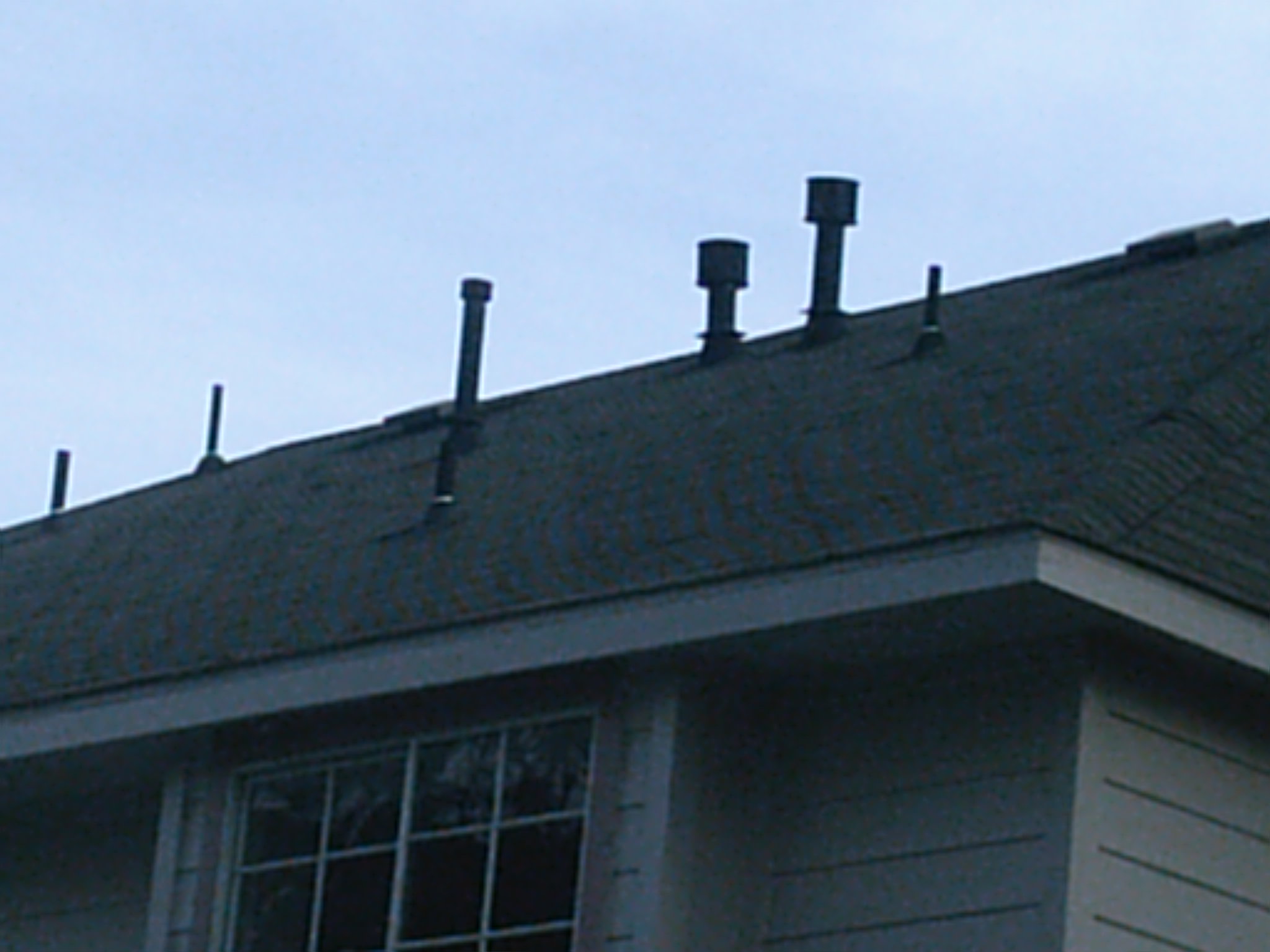
Vent pipe boots installed on a tile roof, multiple pipe penetrations with metal and rubber flashings showing the importance of proper pipe boot specification

Lead Pipe Boots (Bullet Boots)

Lead pipe boots (called bullet boots by contractors for their distinctive shape) are the traditional permanent-grade solution for pipe penetration flashing. Lead is non-corrosive, naturally UV-resistant, and soft enough to be field-formed to any pipe diameter. Properly installed lead flashing carries a guaranteed lifespan of 50 years, with real-world performance regularly exceeding 100 years on historic structures. Lead is our standard specification for slate, tile, and other permanent systems where penetration flashing longevity must match the primary roof.

Copper Pipe Boots

Copper pipe boots are the premium architectural specification, appropriate for copper or zinc roof systems, historic restoration work, and high-visibility installations where aesthetic permanence matters. Copper is dimensionally stable, fully UV-immune, and develops a self-protecting patina over time. Like lead, copper penetration flashings are genuinely lifetime products. Cost premium over rubber boots is significant but trivial relative to the cost of a re-roofing event caused by a failed pipe boot.

Two-Piece Metal Pipe Jacks with Replaceable Collars

For installations where pure lead or copper isn't appropriate (metal roofing panels, standing seam, or retrofit situations), we specify two-piece metal pipe jacks with replaceable rubber or silicone collars. The metal base (aluminum, galvanized, or stainless) is a permanent installation component. Only the collar, which seals directly to the pipe, is a wear item that can be replaced without removing the base. Brands we work with include Lifetime Tool's Ultimate Pipe Flashing (Kynar-coated galvanized or 316L stainless), Oatey No-Calk aluminum and copper base flashings, and Garrdal two-part flashings for retrofit applications around existing obstacles.

Master Flash by Sievert

Master Flash is a two-piece pipe flashing system featuring a rigid metal base with a flexible EPDM or silicone collar. The collar stretches to form a watertight compression seal around the pipe without caulk or fasteners. The design allows collar replacement without disturbing the base flashing. Master Flash is approved for use with Kynar-painted metal panels and tile systems, and is our preferred specification for exposed high-UV applications where a replaceable-collar system is appropriate.

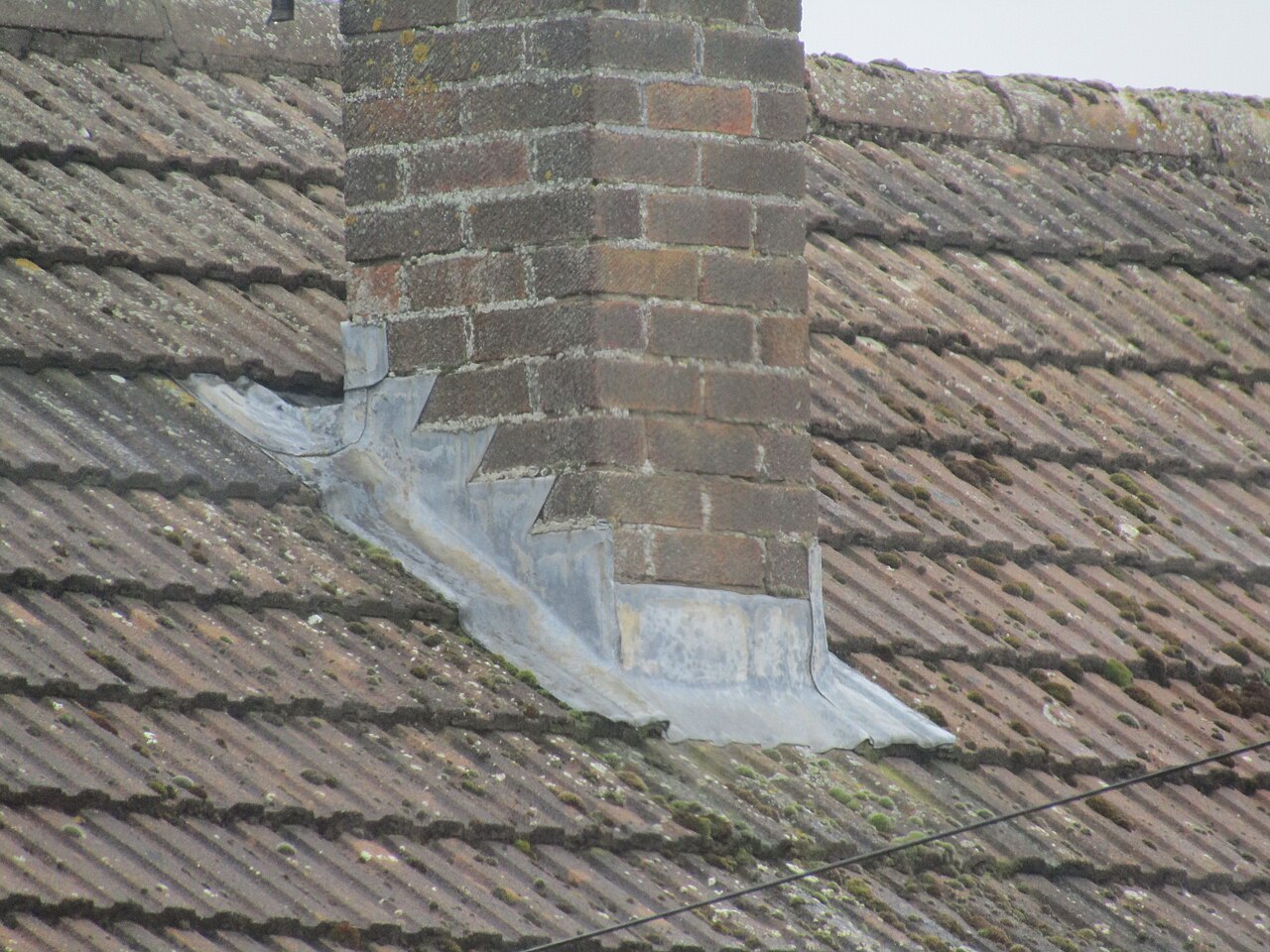
Lead flashing installed around a chimney stack on a residential roof, properly formed lead collar sealed at the chimney base, demonstrating permanent-grade chimney flashing methodology

The Most Common Leak Point

Chimney & Wall Flashing

Chimney and wall flashings are the most common source of roof leaks on otherwise properly installed roofs. They involve two dissimilar materials (masonry and roofing) expanding and contracting at different rates across extreme Colorado temperature cycles. Standard galvanized or aluminum flashing, particularly when sealed with caulk rather than properly counter-flashed, fails in 10–20 years. Copper is the correct permanent specification.

On a permanent roof, we specify copper chimney and wall flashing as standard. The cost premium relative to aluminum is modest in the context of the overall project. The performance premium is not modest: copper chimney flashing, properly installed with step and counter-flashing methodology, lasts 50–100+ years without re-caulking or maintenance.

Step Flashing vs. Counter Flashing

Chimney flashing is a two-component system. Step flashing consists of individual L-shaped metal pieces installed one per course of roofing material. Each piece interlocks with the shingle, slate, or tile above it, directing water away from the chimney-to-roof junction. Counter flashing is a separate metal piece embedded in a mortar joint or reglet in the masonry, folded down over the top of the step flashing. The two pieces overlap but are not sealed together. They move independently as the masonry and roof structure expand and contract. This is why properly counter-flashed chimneys don't leak: there is no caulk joint that can crack. Most cheap flashing jobs skip proper counter flashing and rely entirely on caulk. Caulk fails. Always.

Copper vs. Aluminum vs. Galvanized

Galvanized steel flashing is the minimum code-compliant standard: expected lifespan 15–30 years depending on coating quality and climate exposure. Aluminum flashing is lighter and more corrosion-resistant than galvanized but is not compatible with masonry mortar (alkaline attack) and cannot be soldered for sealed corners. It relies on caulk. Copper is the only flashing material that can be soldered at corners and valleys, is fully compatible with masonry, develops a self-protecting patina, and carries no maintenance requirement. On any project where we're installing a 50+ year roofing system, copper chimney flashing is the only appropriate specification. For wall-to-roof junctions on metal panel or standing seam systems, we use aluminum or copper depending on the panel material.

Edges and Ember Control

Drip Edge

Drip edge is the metal flashing installed along the eave and rake edges of a roof. Its primary function is to direct water off the roof edge and into the gutter rather than wicking back under the roofing material toward the fascia, where it causes wood rot. Its secondary function, increasingly critical in Colorado's wildfire environment, is to close the gap between the roof deck and the fascia. That gap (the ember gap) is how windborne embers from a wildfire enter the attic and ignite a structure. Proper drip edge installation, combined with a fire-rated soffit vent, is a meaningful fire-resistance upgrade on any Colorado roof.

Most contractors install the cheapest available drip edge as a code-compliance afterthought. We treat it as a functional system component.

Material Specifications

Drip edge is available in galvanized steel, aluminum, and painted (Kynar-coated) steel. Galvanized steel is the minimum standard: adequately durable but prone to rust at cut edges if coating is damaged. Aluminum is lightweight and corrosion-resistant but softer, prone to denting, and limited in color options. Painted steel with a factory Kynar coating is the premium specification: it provides the rigidity of steel, the corrosion resistance of a quality coating, and can be color-matched to the roofing system. We specify painted steel drip edge on all metal roofing systems, and aluminum or galvanized on tile and slate systems where the edge is not visible from grade.

Wildfire & Ember Gap

Colorado's WUI (wildland-urban interface) codes increasingly mandate Class A fire-rated roofing assemblies and closed eave construction. Even outside code-mandated WUI zones, the practical risk in Colorado's fire environment means ember-gap closure is a standard we apply on all our projects. This means properly sized and installed drip edge, fire-rated ridge and soffit vent products, and attention to any opening along the roofline that a windborne ember could exploit. A metal roof is Class A fire-rated. An open ember gap at the eave defeats the entire assembly.

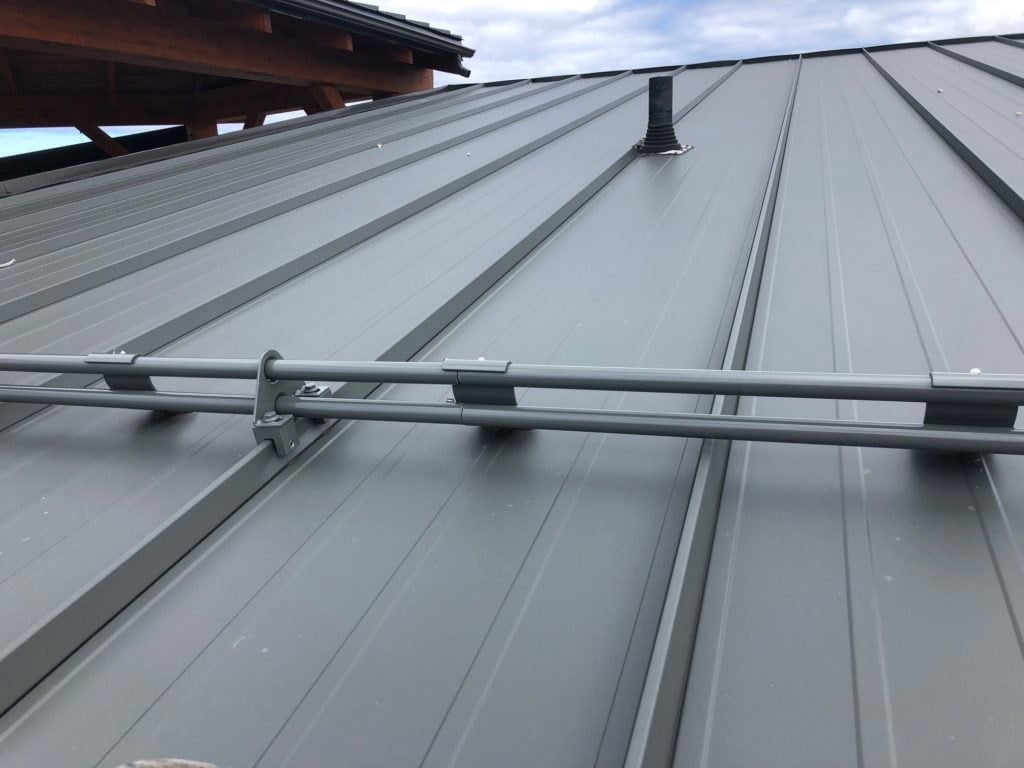
S-5! DualGard snow retention bars installed on a standing seam metal roof, two-pipe aluminum system attached via seam clamps with zero panel penetration

Colorado-Specific Requirement

Snow Guards

On a steeply pitched metal or slate roof in Colorado, a snowpack that releases all at once can injure people, damage gutters, destroy landscaping, and bury entryways under a wall of wet snow. Snow guards (devices that hold snow on the roof, allowing it to melt and drain gradually rather than avalanche) are not optional at altitude. They are a safety and building envelope protection measure.

The key specification decision is attachment method. Adhesive-mounted snow guards, which glue to the roof surface, are appropriate only on low-slope applications with light snow loads. In Colorado's mountain markets, adhesive-mounted guards fail under heavy snow events. Mechanical attachment is required.

S-5! Clamps for Standing Seam: The Gold Standard

For standing seam metal roofs, S-5! seam clamps are the definitive permanent attachment solution. S-5! clamps mechanically grip the standing seam without penetrating the roof panel. Round-point set screws create a mechanical interlock that does not pierce the metal. This is critical because any penetration through a standing seam panel creates a potential leak path and voids the panel warranty. S-5! products are third-party ISO-tested for load capacity by specific roof profile, carry a limited lifetime warranty, and are the only attachment method most premium metal roofing manufacturers will warrant for snow retention accessories. We use S-5! clamps on every standing seam snow guard installation.

Pad vs. Pipe Style Snow Guards

Snow guard systems come in two primary configurations. Pad-style guards are individual flat or cupped plates mounted at intervals across the roof. They work by friction and resistance, breaking the snowpack into smaller sections. They are appropriate for moderate snow loads and work well on lower-pitch roofs. Pipe-style systems (also called snow rails or snow fences) run continuous horizontal bars across the roof face, supported by brackets attached at each seam or rafter point. Pipe systems are the appropriate specification for steep roofs, heavy snowpack areas (8,000+ feet), and any application where full avalanche prevention, not just snow slowing, is the goal. In Vail, Breckenridge, Steamboat, or Telluride, pipe systems are standard.

Ventilation System

Ridge Vents & Attic Ventilation

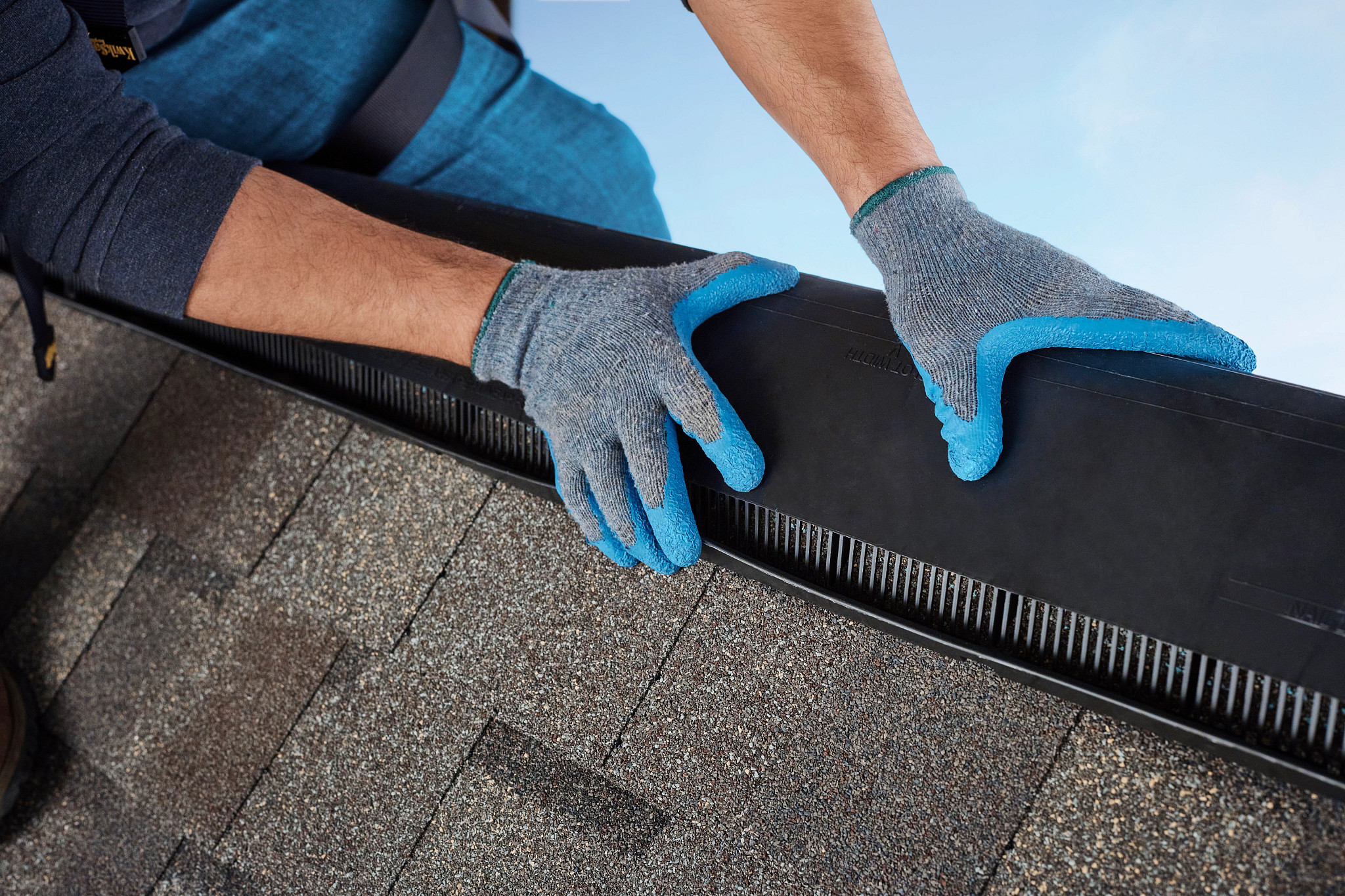
Attic ventilation is not a passive comfort feature. It directly determines how long a roofing system performs. In summer, trapped attic heat degrades underlayment, accelerates asphalt shingle oxidation, and increases cooling loads. In Colorado winters, inadequate ventilation allows warm moist air from living spaces to condense on the underside of the roof deck, creating rot, mold, and ice dam conditions. The ridge vent is the exhaust component of this system. It must be sized and specified correctly to create effective airflow when paired with soffit intake vents.

Ridge vent installation in progress, continuous ridge vent being placed along the peak of a residential roof, showing the gap cut in the sheathing for exhaust airflow

Aluminum vs. Plastic Ridge Vents

The material distinction matters significantly in Colorado's environment. Plastic ridge vents, the dominant low-cost product, degrade under UV exposure over time, becoming brittle and cracking within 10–20 years. Snow load can compress or break plastic vents, blocking airflow. Aluminum ridge vents are dimensionally stable, UV-immune, and will outlast the roofing system they're installed on. They are the correct specification for any permanent roof. We do not install plastic ridge vents on permanent roofing systems.

Colorado Climate Considerations

Colorado roofs must manage two competing ventilation demands: summer cooling ventilation (maximize airflow to reduce attic heat) and winter moisture control (maintain airflow to prevent condensation without allowing driven snow infiltration). The ridge vent must include external baffles or filter media rated for wind-driven snow. At altitude in Colorado, a ridge vent without proper snow baffling will allow significant snow infiltration into the attic during heavy wind events. Proper net free area calculation (sizing the ridge vent opening against the soffit intake area) is critical. Most builders undersize ridge vents relative to soffit intake. Undersized exhaust means inadequate airflow regardless of inlet capacity.

Permanent-Grade Accessory Specifications

Lead Pipe Boots (Bullet Boots)

50–100+ year lifespan. Fully field-formable to any pipe diameter. UV-immune. The correct specification for slate and tile penetrations. No rubber components to degrade.

Copper Pipe Boots

Premium architectural specification. Appropriate for copper and zinc roofing systems, historic restoration, and high-visibility installations. Lifetime product.

Lifetime Tool Ultimate Pipe Flashing

Kynar-coated galvanized steel or 316L marine-grade stainless steel base with proprietary compression collar. Replaceable collar design. Appropriate for metal panel and standing seam applications.

Oatey No-Calk (Aluminum & Copper)

Aluminum or copper base with self-sealing collar. No caulk required. Available in standard sizes. Appropriate where a metal-base product is specified over rubber boots.

Master Flash by Sievert

Rigid base with replaceable EPDM or silicone collar. Approved for use with Kynar metal panels and tile systems. High UV rating. Our preferred two-piece specification for exposed applications.

S-5! Seam Clamps

The definitive snow guard and accessory attachment system for standing seam metal roofs. Non-penetrating mechanical attachment. Third-party ISO load-tested. Limited lifetime warranty. Required on all our standing seam snow guard work.

Copper Step & Counter Flashing

16 oz. or 20 oz. copper at chimneys, skylights, and wall-to-roof junctions. Soldered corners. 50–100+ year maintenance-free performance. Standard on all permanent system projects.

Painted Steel Drip Edge

Kynar-coated painted steel drip edge color-matched to roofing system. Closes the ember gap. Dimensionally rigid. Outlasts the roofing system with proper coating.

Aluminum Ridge Vent

Continuous aluminum ridge vent with wind-driven snow baffle. UV-immune and dimensionally stable. The only ridge vent specification appropriate for a permanent roofing system in Colorado.

Have a system in mind?

Tell us about your project and we will help you determine the right system for your building, your climate zone, and your timeline.

Inquire About Your Project